Palm oil is a favored ingredient for soap manufacturers due to its specific contributions to product performance and stability. At HBNO, we understand the importance of consistent ingredient performance in large-scale production. Essential Oils for Soap Making
1. Enhances Bar Hardness and Durability
Palm oil is known for its ability to increase the hardness of soap bars. This is particularly useful for cold process soap makers who require a firm product with extended longevity. The stearic acid content in palm oil contributes to this property, helping the soap retain its shape and preventing premature softening during use and storage.
2. Contributes to Lather Quality
When combined with other oils like coconut oil, palm oil helps produce a rich, creamy lather in soap. Coconut oil is often used in soap making for its ability to generate bubbles, while palm oil stabilizes the lather, creating a denser, more luxurious foam. This combination is popular in formulations for daily-use bar soaps.
3. Supports Skin Hydration in Topical Applications
Palm oil contributes to the nourishing and hydrating properties of soap. Its natural fatty acids, such as oleic acid and palmitic acid, help maintain skin moisture, leaving it feeling soft after use. This makes it suitable for a wide range of cosmetic formulations.
4. Improves Product Shelf Stability
Another advantage of using palm oil in soap manufacturing is its inherent shelf stability. Palm oil is often used in commercial soap production due to its long shelf life and ability to withstand varying storage conditions, ensuring product integrity over time.
Sustainable Alternatives to Palm Oil in Soap Making
For manufacturers seeking to diversify their formulations or address specific sourcing preferences, several excellent substitutes can replace palm oil in soap making. These alternatives provide similar functional benefits, including hardness, lather, and skin-nourishing properties, without the environmental concerns sometimes associated with palm oil production.
1. Babassu Oil
Babassu oil is a close alternative to palm oil, derived from the seeds of the babassu palm (Attalea speciosa) native to Brazil. This oil has a fatty acid profile similar to both coconut and palm oil, offering firming and hydrating properties in soap formulations.
2. Coconut Oil
Coconut oil is another common oil used in soap making. While it can produce a very hard bar of soap and a bubbly, cleansing lather, using too much coconut oil can be drying. It is often balanced with other oils or a superfat (extra oils that do not saponify) to optimize the final product.
3. Hard Butters: Mango, Shea, and Cocoa
Hard butters like mango butter, shea butter, and cocoa butter can be used to replace palm oil in soap making. These butters add both hardness and nourishing properties to the soap, resulting in firm yet gentle bars.
-
Mango Butter: Known for its emollient properties, mango butter is rich in fatty acids and contributes a luxurious feel to soap.
-
Shea Butter: Shea butter is renowned for its ability to hydrate skin and can help add firmness to soap bars.
-
Cocoa Butter: Cocoa butter offers a rich, creamy texture and helps moisturize and nourish the skin, making it an excellent choice for formulations targeting dry skin types.
These butters can be used in combination, typically up to 15% of a soap recipe, to achieve a solid yet moisturizing bar.
4. Olive Pomace Carrier Oil
Olive Pomace Carrier Oil is another popular choice in soap making. While it does not produce the same hardness as palm oil, it is gentle on the skin and offers deep hydrating benefits. Olive oil can be used as a base oil in soap making, though it is often combined with harder oils like coconut or babassu to achieve a firm bar.

Formulation Considerations for Palm Oil in Cold Process Soap
When incorporating palm oil into cold process soap, precise handling and formulation practices are essential for consistent batch results.
It is important to melt and mix palm oil thoroughly before adding it to your recipe. This ensures that the fatty acids are evenly distributed throughout the soap mixture, contributing to a uniform final product. In general, palm oil can make up to 33% of a cold process soap recipe. However, it is advisable to conduct small-batch experiments to determine the ideal amount for your specific formulation. If using palm kernel flakes, which are a mixture of palm kernel oil and soy lecithin, a usage level of up to 15% is typically recommended. Using excessive amounts of palm oil can result in an overly hard soap and may also accelerate trace, requiring formulators to work quickly during the mixing process.
HBNO: Your Partner for Bulk Palm Oil and Formulation Ingredients
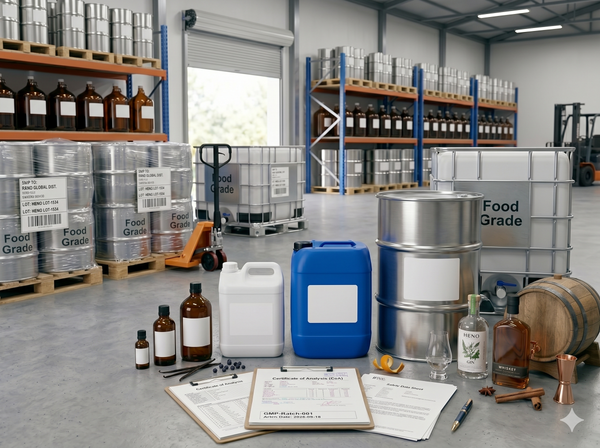
At HBNO, we are committed to providing high-quality, sustainably sourced ingredients for your commercial soap and cosmetic formulations. Our 100,000 sq ft production facility in Chico, California, ensures reliable supply and consistent quality. Every shipment we send includes a Certificate of Analysis (CoA) and Safety Data Sheet (SDS), backed by GC/MS testing and our PhD-led in-house quality control. We offer no minimum order quantity (MOQ) and can support private-label production with a capacity of 250,000 units/day, alongside global shipping capabilities.
FAQ: Sourcing Palm Oil and Alternatives for Commercial Use
What documentation is provided with bulk palm oil orders?
Every bulk palm oil shipment from HBNO includes a Certificate of Analysis (CoA) and a Safety Data Sheet (SDS). These documents provide essential information on product specifications, purity, and safety, ensuring compliance and quality control for your manufacturing process.
How does HBNO ensure the quality of its palm oil?
Our quality control process includes comprehensive GC/MS testing for all products. This ensures the purity and batch consistency of our palm oil, meeting the high standards required for commercial and cosmetic applications.
Can HBNO supply certified sustainable palm oil?
HBNO is committed to responsible sourcing. We offer palm oil options that align with sustainable practices and certifications, which can be discussed with our trade team to meet your specific procurement requirements.
What are the lead times for bulk palm oil orders?
Lead times for bulk palm oil orders are quoted with your sample and CoA request. They scale with order size and any specific certification needs, ensuring efficient planning for your production schedule.
Does HBNO offer private label services for soap products?
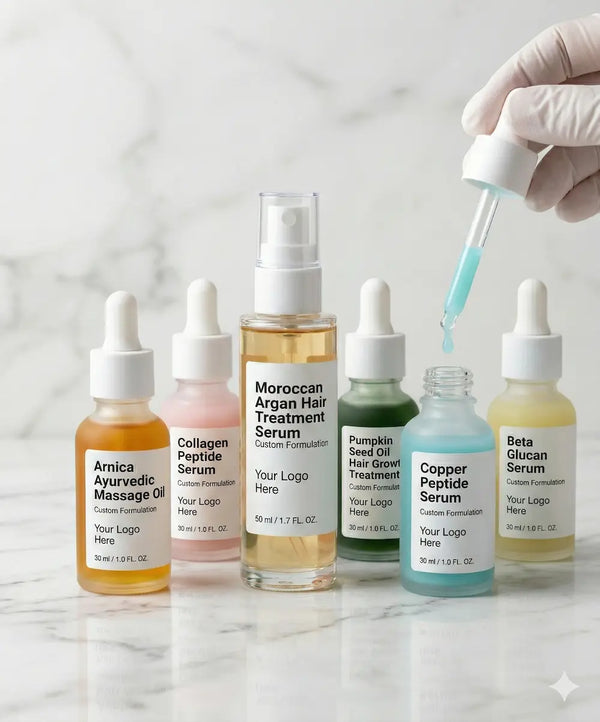
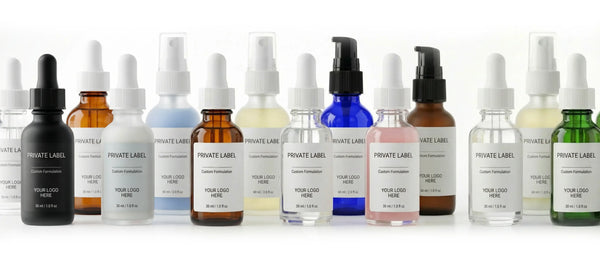
Yes, HBNO provides extensive Private Label Services, including custom blending and manufacturing for soap and other personal care products. Our facility has the capacity to support large-scale private label production, helping you bring your brand vision to market efficiently.
Conclusion
Palm oil remains a foundational ingredient for many soap manufacturers, valued for its ability to impart hardness, stable lather, and a nourishing feel to finished products. While environmental considerations are paramount, sourcing from reputable suppliers like HBNO ensures both quality and responsible practices. Exploring alternatives such as babassu, coconut oil, or various hard butters also provides formulators with flexibility to meet diverse product goals and consumer demands. Our commitment to quality, comprehensive documentation, and flexible supply terms makes HBNO a reliable partner for your bulk palm oil and ingredient needs.
Published by the HBNO Bulk editorial team. HBNO (IL Health & Beauty Natural Oils Co., Inc.) is a manufacturer and bulk supplier of essential oils and carrier oils based in Chico, California.