Carrier oils for cosmetic formulation sit at the center of nearly every skincare, haircare, and body-care SKU, yet they are often the least scrutinized line in a procurement file. For product developers and private-label brands, the base oil sets skin feel, oxidative shelf life, and cost per kilogram, and the wrong grade can compromise a full production run. At HBNO, we supply formulators and contract manufacturers with base oils specified to a documented standard, so the material performs the same in batch fifty as in your pilot sample.
How to Choose Carrier Oils for Cosmetic Formulation
The right carrier oil is chosen by matching its fatty acid profile to the finished product's skin feel and shelf-life targets, not by price alone.
Most cosmetic bases are defined by the ratio of oleic to linoleic acid. High-oleic oils such as Prunus amygdalus dulcis (Sweet Almond) feel richer, absorb slowly, and resist oxidation, suiting creams and balms with long shelf lives. High-linoleic oils such as Vitis vinifera (Grapeseed) feel lighter and absorb quickly, favored for facial serums and oily skin. Simmondsia chinensis (Jojoba) is a liquid wax ester rather than a triglyceride, giving it a stable profile and a sebum-like skin feel. Formulators also weigh the comedogenic rating, a 0 to 5 descriptor of pore-clogging potential, when specifying carrier oils for skin that is acne-prone. Our wholesale carrier oils range spans refined and unrefined grades to match the product brief.

Matching Carrier Oils to Skin Type and Product Format
A serum, a lotion, and a massage oil each demand a different base, so the carrier should be selected against the product format before volume is quoted.
Facial serums call for fast-absorbing, low-comedogenic bases; lotions and balms tolerate heavier, emollient oils; and massage products prioritize slip over absorption. Persea gratissima (Avocado) oil, rich in oleic acid and unsaponifiables, gives a cushioned skin feel for body and mature-skin formulations. The table below shows how we position common carrier oils for skin and product type.
|
Carrier oil |
Dominant fatty acid |
Skin feel |
Best-fit product |
|
Sweet Almond (Prunus amygdalus dulcis) |
Oleic |
Medium, emollient |
Lotions, massage bases |
|
Grapeseed (Vitis vinifera) |
Linoleic |
Light, dry-touch |
Facial serums, oily skin |
|
Jojoba (Simmondsia chinensis) |
Wax esters |
Silky, sebum-like |
Facial oils, hair |
|
Avocado (Persea gratissima) |
Oleic |
Rich, cushioned |
Body, mature skin |
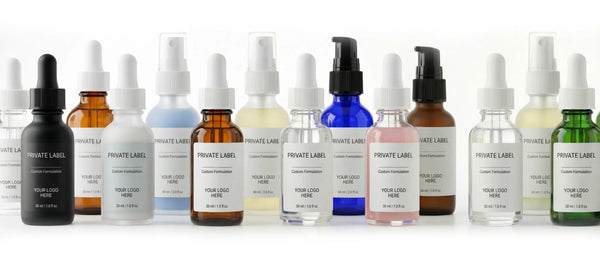
For brands scaling from bench to production, our private-label program turns a formula into a repeatable specification.
Quality Specifications That Define Bulk Carrier Oils
The value of bulk carrier oils is set by documented purity and oxidative stability, verified before the material enters your formulation.
Polyunsaturated oils oxidize faster than monounsaturated ones, so peroxide value and free fatty acid content are the first numbers to check on a Certificate of Analysis, where a rising peroxide value signals rancidity. Refined grades give lighter color and neutral odor for fragrance-sensitive lines, while unrefined grades retain more constituents but need tighter storage. In our Chico facility, every lot is analyzed by GC/MS to confirm the fatty acid fingerprint, and we confirm grade by refractive index and specific gravity for batch consistency across orders. The global carrier oils market keeps expanding with clean-beauty demand (Source: Grand View Research), rewarding suppliers who hold specifications at volume. Base oils also face safety and labeling rules from the US Food and Drug Administration, while REACH obligations apply to material sold in the EU. Buyers formulating from scratch can pair these bases with our formulation ingredients.

Sourcing Carrier Oils for Cosmetic Formulation at Scale
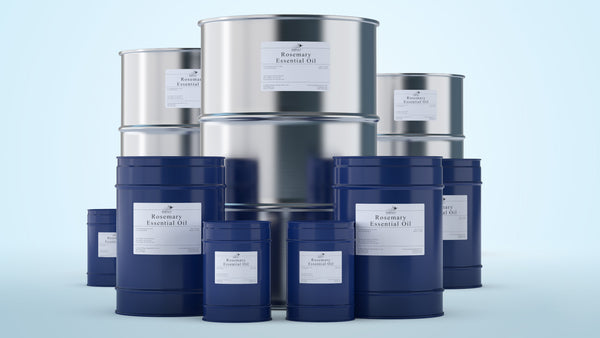
HBNO supplies carrier oils for cosmetic formulation as a manufacturer, not a reseller, shortening the chain between raw material and your production line.
We operate a 100,000 square foot facility in Chico, California, and hold ISO, GMP, FDA, Kosher, USDA Organic, and FAIR FOR LIFE credentials. Every product is GC/MS tested, and a CoA and SDS accompany each shipment for your QC and regulatory teams. Our PhD-led QC staff support REACH, IFRA, GRAS, and food-safety compliance where applicable. With no minimum order quantity, private-label capacity up to 250,000 units per day, drop-shipping, and global shipping across North America, Europe, Asia, and Oceania, we serve buyers from first sample to long-term contracts. See our company profile for more.
Frequently Asked Questions
What are the best carrier oils for cosmetic formulation?
The best choice depends on product format and skin-feel target. Sweet almond and avocado suit richer lotions and body products, while grapeseed and jojoba suit lightweight facial applications.
How do carrier oils for skin differ by skin type?
Lighter, high-linoleic oils such as grapeseed absorb quickly and suit oily or acne-prone skin, while heavier, high-oleic oils such as avocado and sweet almond give a richer feel for dry or mature skin. The comedogenic rating helps screen oils for facial products.
Why does oxidative stability matter when buying bulk carrier oils?
Oxidative stability governs how long a finished product stays usable before rancidity develops. Polyunsaturated oils oxidize faster, so a low peroxide value and correct storage protect the formula and its retail shelf life.
Can I order wholesale carrier oils without a minimum order quantity?
Yes. HBNO has no minimum order quantity, so buyers can request samples or small trial lots before committing to production volumes.
Which carrier oil is best for a face serum?
Lightweight, fast-absorbing oils with a low comedogenic profile, such as grapeseed and jojoba, are common choices for face serums. Confirm final selection against your skin feel, fragrance system, and shelf-life targets.
The Bottom Line for Formulators
Choosing carrier oils for cosmetic formulation is a sourcing decision as much as a chemistry one: the base must perform on the skin, survive the shelf, and arrive with the documentation your buyers and regulators expect.
Published by the HBNO editorial team. HBNO (IL Health & Beauty Natural Oils Co., Inc.) is a manufacturer and bulk supplier of essential oils and carrier oils based in Chico, California.
To request specifications, samples, or a bulk quote, contact the HBNO team.