The conversation around castor oil in cosmetic formulation has shifted. For decades, the sourcing conversation centred on viscosity and film-forming the cosmetic properties that made castor oil a staple in lip gloss and mascara. The current conversation, driven by growth in sensitive skin, and barrier-support positioning product lines, centres on something different: ricinoleic acid content and what it means for formulators developing products with specific skin-conditioning claims. For ocosmetic manufacturers, the formulation question is no longer just "which castor oil grade is compatible?" it is "which supplier's documentation supports the ingredient specifications our brand needs to make?"
At HBNO, we supply cold-pressed conventional and USDA Organic castor carrier oil from Ricinus communis seeds, GC/MS tested in our in-house laboratory at our 100,000 sq ft facility in Chico, California, with ricinoleic acid content documented on the batch-specific CoA issued with every order.
Ricinoleic Acid's Role in Sensitive Skin and Barrier-Sup Formulations
The cosmetic relevance of bulk castor oil for sensitive skin and barrier-support formulations rests on three properties of its dominant fatty acid, ricinoleic acid (12-hydroxy-octadec-9-enoic acid, ~85–90% of the fatty acid profile): its studied behavior in topical application research contexts, hygroscopic film-forming properties that contribute to surface conditioning, and alcohol solubility that enables use in formulation systems where many conventional carrier oils are limited.
Ricinoleic acid has been studied for its unique profile among common fatty acids. Research published in Naunyn Schmiedebergs Archives of Pharmacology characterized ricinoleic acid as showing both short-term and longer-term responses in preclinical topical models, with repeated application demonstrating changes in measured inflammatory markers compared with acute exposure conditions (Vieira et al., 2001, Naunyn Schmiedebergs Arch Pharmacol, 364:264–9). The Expert Panel for Cosmetic Ingredient Safety has confirmed that Ricinus communis seed oil and its derivatives are safe for use in cosmetic formulations at commercially applied concentrations (Fiume et al., International Journal of Toxicology, 2024). Together, these references provide supporting documentation for its use in cosmetic formulation discussions related to sensitive skin–positioned product development.

Key properties for formulators developing sensitive skin and barrier-focused product lines:
-
Hygroscopic film formation: The C-12 hydroxyl group on ricinoleic acid attracts and retains moisture at the skin surface, creating a conditioning film particularly suited to compromised or dry barrier formulations. In rash-prone, heat-irritated, or post-procedure skin care, this sustained barrier moisture effect is a formulation asset.
-
Non-comedogenic profile: Castor oil is rated 1 on the comedogenicity scale, making it suitable for cosmetic formulations intended for sensitive skin and lightweight, non-pore-blocking product positioning where higher-viscosity carriers (such as coconut or cocoa butter) may feel heavier in finished applications.
-
Alcohol solubility: Ricinoleic acid's hydroxyl group gives castor oil unique miscibility in ethanol and IPA-based formulation systems enabling use in sensitive skin serum formats, spray-on barrier treatments, and toner-serum hybrids where oil-soluble actives need to disperse in a fast-dry carrier system.
-
High viscosity as protective barrier: ~1,000 cP at 25°C creates a natural protective layer on the skin surface, supporting moisture retention in areas prone to dryness or environmental stress relevant to cosmetic formulations designed for temporary skin protection and conditioning in products positioned for sensitive or easily reactive skin types.
Formulation Applications for Bulk Castor Oil in Ccosmetic and Sensitive Skin-Positioned Manufacturing
Bulk castor oil supports six cosmetic product types where its ricinoleic acid profile and film-forming properties are relevant: sensitive skin–positioned serums, protective balm formulations, calming body products, comfort-focused skincare, facial conditioning products, and protective skin-feel treatments.
Sensitive skin serum (alcohol-base): 5–10% castor oil in an ethanol or IPA-based serum carrier. Castor oil’s alcohol solubility enables inclusion in fast-dry serum systems where hydrophobic ingredients need to remain evenly dispersed. This format is commonly used in leave-on skincare systems designed for quick absorption and lightweight skin feel.
Barrier-repair balm: 30–60% castor oil in a wax/butter base. The high viscosity and film-forming properties create a protective surface layer on the skin, contributing to moisture retention and emollient feel. Commonly used in occlusive-style balm formats within cosmetic skincare.
Calming body formulation and lotion: 10–25% castor oil in an oil-in-water or water-in-oil emulsion. Ricinoleic acid’s emollient profile supports inclusion in higher-viscosity body care systems designed for long-lasting skin conditioning and comfort-focused claims.
Protective skin coating: 15–30% castor oil in an anhydrous or low-water base with barrier-supporting cosmetic actives (e.g., dimethicone or zinc oxide at low concentrations). Used in formulations positioned for daily skin protection and environmental exposure support.
Facial serum and Targeted application products: 5–15% castor oil in lightweight emulsion or gel systems. At these inclusion rates, the ricinoleic acid fraction provides emollient conditioning without heavy sensory impact in finished formulations.

HBNO's Bulk Castor Oil Supply Credentials for Sensitive Skin Manufacturers
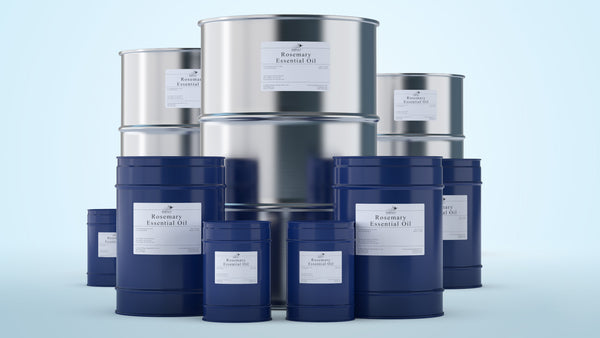
HBNO supplies cold-pressed conventional and USDA Organic bulk castor carrier oil from Ricinus communis seeds, GC/MS tested on every batch, with no minimum order quantity and CoA, SDS, and FAIR FOR LIFE documentation on every shipment from development sample through full production volume.
Key supply specifications:
-
Bulk castor carrier oil (Ricinus communis seed oil, cold-pressed) ricinoleic acid 85–90% by GC fatty acid profile; hexane-free; Kosher certified; cosmetic grade; GC/MS tested on every batch
-
Bulk organic castor carrier oil cold-pressed; USDA Organic and FAIR FOR LIFE certified; ricinoleic acid ≥85%; same GC/MS documentation; appropriate for organic and clean-beauty sensitive skin positioning
Both grades include: GC/MS CoA documenting ricinoleic acid content, free fatty acid level, peroxide value, and sensory parameters; SDS to GHS/OSHA classification; processing method declaration (cold-pressed, hexane-free). For sensitive skin formulations requiring additional microbiological testing documentation available on request from our PhD-led QC laboratory.
Supply capacity:
-
No MOQ trial samples through 25 kg containers and production drum quantities
-
250,000 units/day private-label production capacity for finished sensitive skin, barrier-repair, and dermocosmetic SKUs
-
Drop-shipping available; global shipping to North America, Europe, Asia, Oceania
-
Long-term supply contracts for volume and pricing stability
Browse our full carrier oils collection for castor oil and companion carriers used in sensitive skin formulation systems.
FAQ
What makes castor oil appropriate for sensitive skin–positioned cosmetic formulations?
Castor oil’s ricinoleic acid content (85–90%) provides three properties relevant to cosmetic formulation: hygroscopic film-forming behavior that contributes to a surface conditioning layer, a low comedogenic rating of 1 often associated with lightweight cosmetic feel, and documented behavior in preclinical research models related to topical application responses. Combined with cold-pressed, hexane-free processing methods, these characteristics support its use in cosmetic systems designed for sensitive skin–positioned and comfort-focused product development. The Expert Panel for Cosmetic Ingredient Safety has confirmed the safety of Ricinus communis seed oil at commercially used concentrations (Source: International Journal of Toxicology, 2024).
How does cold-pressed processing affect ricinoleic acid content in castor oil for cosmetic applications?
Cold-pressed extraction preserves the native ricinoleic acid content (85–90%) and keeps residual solvent levels at zero critical for formulations claiming "hexane-free," "clean ingredient," or "free-from" positioning. Solvent-extracted grades may deliver higher yield but carry trace hexane and may have altered fatty acid profiles. HBNO's conventional and organic castor oils are both cold-pressed; processing method is documented on the SDS issued with every shipment. Always confirm processing method documentation before incorporating castor oil into sensitive skin or clean-beauty formulations.
At what inclusion rate is castor oil appropriate in leave-on sensitive skin serums?
For leave-on sensitive skin serums and targeted barrier treatments, 5–15% castor oil in a lightweight emulsion, gel, or alcohol-based carrier is the standard range. Castor oil's high viscosity (~1,000 cP) means that above ~15% in an emulsion, the skin feel may become heavier than sensitive skin consumers expect from a serum format. Formulations targeting thicker barrier applications (balms, protective coatings) can run 30–60% in an anhydrous base without skin-feel concerns. HBNO's no-MOQ sample program allows development teams to prototype across inclusion rates with the same production-batch oil.
Is HBNO's castor oil appropriate for sensitive skin–positioned formulations?
Yes, with appropriate claim language. Castor oil’s non-comedogenic profile, hygroscopic film-forming properties, and ricinoleic acid content make it suitable for cosmetic skin-conditioning formulations designed for reactive or comfort-focused skin types. Regulatory guidance in all markets requires that finished product claims be framed in cosmetic terms such as “supports skin comfort,” “conditions the skin,” or “helps maintain a soft skin feel,” rather than therapeutic claims. Always consult relevant regulatory bodies for compliance requirements in your target market before finalising label language.
Can HBNO supply castor oil as part of a private-label sensitive skin cosmetic product?
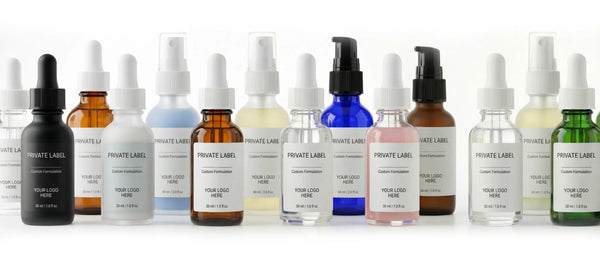
Yes. Our private label services cover ingredient sourcing, GC/MS testing, formulation, filling, and branded packaging for cosmetic product lines including sensitive skin–positioned, comfort-focused, and skin-conditioning formats. With 250,000 units per day of production capacity at our Chico facility, we can support serum, balm, lotion, and spray formats under your brand from development sample through commercial launch.
Published by the HBNO Bulk editorial team. HBNO (IL Health & Beauty Natural Oils Co., Inc.) is a manufacturer and bulk supplier of essential oils and carrier oils based in Chico, California.