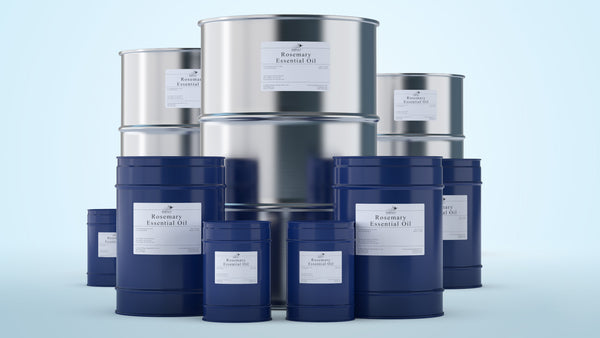
For private-label candle brands and contract manufacturers, fragrance selection is a procurement specification before it is a creative decision. The global candle market is projected to reach $20.1 billion by 2030 (Grand View Research), and fragrance profile remains the primary retail purchase driver. Sourcing the right fragrance oils for candles at scale means aligning on flash point, fragrance load capacity, IFRA compliance, and batch-to-batch consistency before a single unit enters production.
What Procurement Teams Should Know Before Selecting Candle Fragrance Oils
The right candle fragrance oil is defined by its technical data sheet, not its scent description alone.
When evaluating fragrance oils for candle manufacturing, four specifications matter most: flash point, fragrance load range by wax type, IFRA compliance category, and batch documentation. Flash point must exceed your wax pouring temperature, typically 65-75°C (150-167°F) for most production setups, to prevent combustion risk during the filling stage. IFRA usage limits, governed by The International Fragrance Association, categorize candles under Category 12, with per-ingredient concentration ceilings that vary by formulation.
Fragrance load, expressed as a percentage of wax weight, determines scent throw intensity and surface stability. Exceeding the wax manufacturer's absorption ceiling causes fragrance bleed, inconsistent burn performance, and wick fouling. At HBNO, every fragrance oil supplied for candle applications ships with a CoA and SDS that includes flash point, recommended load range, and wax compatibility.

Top 9 Fragrance Oils for Candles: Load Rates and Throw Benchmarks
These nine fragrance profiles lead consistent sell-through performance across private-label candle lines and seasonal catalogues.
|
Fragrance |
Profile |
Recommended Load (% wax weight) |
Primary Season |
|
Vanilla |
Warm gourmand |
8-10% |
Year-round |
|
Lavender |
Floral, herbal |
6-8% |
Year-round |
|
Eucalyptus |
Fresh, clean |
6-9% |
Year-round |
|
Sandalwood |
Woody, warm |
7-9% |
Q3-Q4 |
|
Cedarwood |
Dry woody |
6-9% |
Q3-Q4 |
|
Cinnamon Clove |
Spicy, warm |
6-8% |
Q4 |
|
Fresh Linen |
Clean, aquatic |
6-8% |
Year-round |
|
Citrus (Orange / Lemon) |
Bright, uplifting |
6-10% |
Q1-Q3 |
|
Patchouli |
Deep, earthy |
8-10% |
Q3-Q4 |
Recommended load rates are expressed as fragrance oil by total wax weight. Soy wax typically absorbs 8-12%; paraffin accommodates 6-12% depending on blend formulation; beeswax sits lower at 3-6% due to its crystalline wax structure. Always validate against your specific wax supplier's technical data sheet before committing to production runs.
Heavier molecular profiles, vanilla, patchouli, sandalwood, typically deliver stronger hot throw at standard load rates. Lighter top notes such as citrus and fresh linen volatilize quickly; formulators often anchor these with a fixative component to improve cold-throw retention across retail shelf life.
Qualifying Fragrance Oil Specifications Before a Wholesale Commitment
Requiring a pre-shipment sample with a CoA and SDS is the baseline standard for any production-scale candle fragrance oil purchase.
Three qualification steps matter before a fragrance oil enters your production line. GC/MS analysis confirms chemical composition and detects substituted or adulterated ingredients. Organoleptic evaluation verifies scent profile against your approved standard. A wax compatibility burn test confirms clean integration at your target load rate, without bleed or wick fouling.
Reputable wholesale suppliers provide flash point data (ASTM D93 or equivalent), specific gravity, solubility in wax, IFRA conformance, and batch number traceability. For brands distributing into the US market, California Prop 65 compliance confirmation is standard. Brands selling into the EU require supplier-issued chemical safety documentation under REACH regulations.
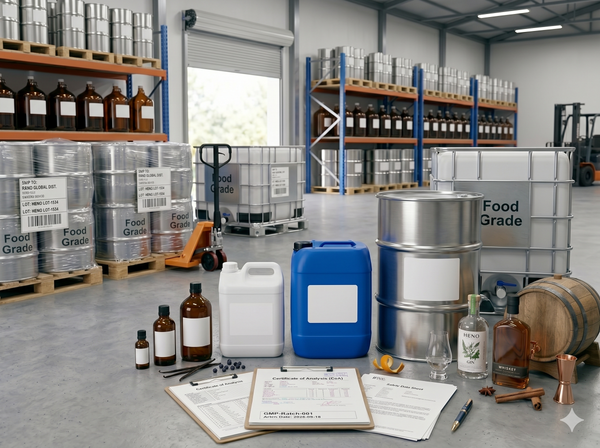
Our QC team at HBNO runs all three qualification checks as standard and issues full documentation CoA, SDS, flash point, IFRA conformance certificate, and batch number with every wholesale fragrance order, plus GC/MS reports on request.

Why Candle Manufacturers Source Fragrance Oils Through HBNO
HBNO manufactures and supplies candle fragrance oils from a 100,000 sq ft facility in Chico, California, with full batch documentation on every order.
Our in-house QC team runs GC/MS verification on every fragrance batch, and every shipment includes a CoA, SDS, flash point specification, and IFRA conformance certificate. We hold ISO, GMP, and FDA-registered status, and our fragrances meet IFRA, REACH, and Prop 65 requirements for US and international distribution.
We supply with no minimum order quantity, making it practical for candle brand owners to qualify new fragrance profiles before scaling to full production volumes. In our facility, we support private-label candle production at 250,000 units per day with batch traceability on every run. Long-term supply contracts provide price and volume stability for manufacturers managing quarterly seasonal catalogue rotations.
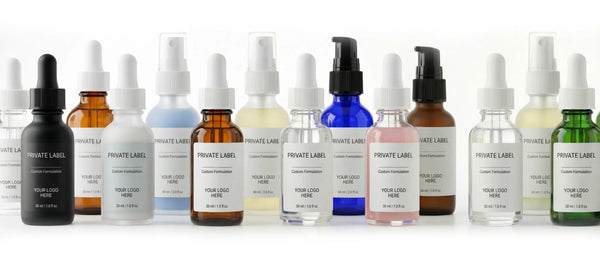
Explore the HBNO private label program to discuss scent qualification, sample requests, and production lead times.
Frequently Asked Questions
What fragrance load percentage is recommended for soy wax candles?
Most soy wax formulations perform reliably at 8-10% fragrance by wax weight. Premium soy blends can absorb up to 12%, but each increment above the standard range should be tested for surface bleed and wick performance before committing a full production batch.
How do I confirm a fragrance oil meets IFRA compliance for candle manufacturing?
Request an IFRA conformance certificate specifying maximum usage levels for Category 12 (candles). It should reference the current IFRA Amendment and be issued by the fragrance manufacturer, with batch-level documentation ensuring compliance carries through across production runs.
Which fragrance oils for candles offer the strongest hot throw performance?
Vanilla, patchouli, and sandalwood consistently deliver high hot throw ratings due to their heavier molecular weight profiles. Lighter top notes such as citrus and fresh linen benefit from higher load rates or a fixative anchor to maintain throw intensity through the candle's full burn life.
Can HBNO supply custom fragrance blends for a private-label candle product line?
Yes. HBNO's private label team works with brand owners to develop proprietary fragrance formulations, run sample trials, and scale with full batch documentation. Contact our sourcing team to discuss specifications, trial quantities, and lead times.
What documentation should a wholesale fragrance oil shipment include?
A complete shipment package includes a Certificate of Analysis (CoA), Safety Data Sheet (SDS), flash point value, IFRA conformance certificate, and batch number. HBNO issues all five with every order; GC/MS reports are available on request.
Published by the HBNO Bulk editorial team. HBNO (IL Health & Beauty Natural Oils Co., Inc.) is a manufacturer and bulk supplier of essential oils and carrier oils based in Chico, California.
Candle brands that build fragrance oil procurement around documentation requirements, wax compatibility validation, and supplier certification credentials consistently achieve lower defect rates and stronger supply continuity. For fragrance oils for candles at wholesale volumes with GC/MS traceability, IFRA compliance documentation, and no minimum order contact the HBNO team to request a sample pack and production quote.