Most formulation failures traced back through a QC log do not start with the active. They start with the base. A carrier oil is 70 to 95 percent of a body oil, a facial serum or a massage blend, which means its oxidative behaviour, viscosity and allergen status govern the finished product far more than the fragrance or the botanical extract layered on top. Bulk carrier oils are also the line item buyers optimise hardest on price, because on paper one refined vegetable oil looks much like another. The difference shows up nine months later as rancid returns or a texture complaint. Here are the six that most often decide the outcome, and the specification that predicts which way it goes.
The four ways a carrier oil quietly fails
Carrier oils fail in four predictable ways, and every one of them is visible in the specification before you buy: oxidation, sensory drift, viscosity mismatch, and missing documentation.
Oxidation is the most common. A carrier heavy in polyunsaturated fatty acids will develop peroxides and then aldehydes, and the finished product smells like old crayons well before its printed expiry. Sensory drift is subtler: an unrefined carrier carries its own odour, and that odour changes with harvest, so a fragrance built on last year's lot reads differently on this year's.
Viscosity mismatch shows up at the fill line rather than on shelf, changing pump dispensing volume, filling speed and perceived absorption. Documentation failures are the cheapest to avoid and the most expensive to find late. A tree nut carrier without a clear allergen declaration, or an organic claim with no certificate tied to the lot, becomes a labelling problem at retail. Our QC team issues a CoA and SDS with every shipment for exactly this reason.

The six carriers, and where each one gives way
Each of these six carriers is genuinely useful, and each has one characteristic failure mode that a formulator needs to design around.
-
Sweet almond. The default massage and body carrier. Predominantly oleic, so oxidatively reasonable, but it is a tree nut and needs an unambiguous allergen declaration under FDA cosmetic labelling expectations. We supply it refined, virgin unrefined and unrefined organic, and the three behave differently on odour.
-
Grapeseed. Light, fast-absorbing, popular with formulators who dislike heavy skin feel. It sits at the polyunsaturated end of the spectrum, which makes it the shortest-lived of the six once opened.
-
Jojoba. Not a triglyceride at all. Our GC/MS records show gondoic acid at 44 to 67 percent and 11-eicosenol at 4 to 14 percent, a wax ester profile rather than a fat. That is why it resists rancidity, and also why the 23 point gondoic range needs checking per lot.
-
High-oleic sunflower. The workhorse when shelf life matters more than prestige. The trap is ordering plain sunflower and receiving the linoleic type, which has a materially shorter usable life.
-
Argan. Genuine provenance and a premium retail story, and the carrier most often cut with cheaper oil. Refractive index and specific gravity are the fastest screens.
-
Rosehip seed. The least stable material on most formulators' shelves. It needs tocopherol addition, cold storage and short order cycles, not a twelve month drum sitting in a warm plant.
The specification numbers that predict failure
Four numbers on a carrier oil CoA tell you how the material will behave a year from now: peroxide value, free fatty acid, iodine value, and the oleic to linoleic ratio.
Peroxide value is the direct measure of oxidation already underway. A low figure at delivery is the baseline you need in order to interpret anything later. Free fatty acid indicates hydrolytic breakdown and poor handling upstream. Iodine value measures total unsaturation, which is a proxy for how fast the oil will oxidise: the higher it runs, the shorter the practical life.
The oleic to linoleic ratio is the one formulators most often skip and most often regret. It predicts both shelf life and skin feel. Ask for refractive index and specific gravity as well, because together they are the cheapest adulteration screen available on a premium carrier. At HBNO every lot is GC/MS tested in house before release, and batch testing against a retained reference is available on request. Our comparison of high-oleic and linoleic safflower grades walks through how far apart two lots of nominally the same oil can sit.
Refined or unrefined: the decision that changes everything downstream
Refining strips colour, odour and much of the minor constituent fraction, which improves stability and consistency while removing the character that justifies a premium claim.
For a fragranced body oil or a white label lotion base, refined is usually correct. Colour is neutral, odour is negligible, and lot to lot consistency is high enough that a fragrance brief holds across a year of production. For a hero serum sold on provenance, unrefined earns its cost, but the programme has to absorb odour variation and a shorter usable window.
The mistake we see most often in procurement is switching between the two mid-programme to hold a price. The oils carry the same INCI name, so the change never appears on the label, and the formulation team spends a month chasing a sensory complaint that originated on a purchase order. Global demand for naturally derived cosmetic ingredients continues to expand (Source: Grand View Research), and with it the temptation to substitute. Fix the grade in the specification, not just the material. Our broader guide to carrier oil selection for cosmetic formulation covers how to structure that specification from scratch.

Sourcing bulk carrier oils from HBNO
We manufacture and supply from a 100,000 square foot facility in Chico, California, operating under ISO and GMP systems with FDA registration. Our carrier oils range covers all six of the materials above in multiple grades, and the full product list runs considerably wider.
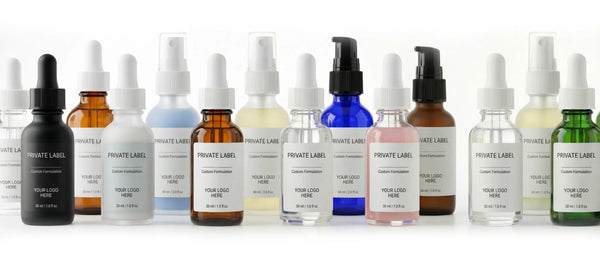
Three points tend to matter to formulation teams. There is no minimum order quantity, so a bench trial does not require a drum commitment. PhD staff and in-house quality control mean specification questions get answered by people who ran the test rather than by a sales desk. And our private label operation fills to 250,000 units per day if you would rather buy a finished product than a raw material. Cosmetic ingredient safety documentation follows Personal Care Products Council conventions, and REACH and IFRA documentation is available where applicable.
Frequently asked questions about bulk carrier oils
Which carrier oil has the longest shelf life in bulk?
Jojoba, because it is a wax ester rather than a triglyceride and does not oxidise on the same pathway as a conventional vegetable oil. High-oleic sunflower is the next most durable and considerably cheaper. Grapeseed and rosehip sit at the opposite end and should be bought in shorter cycles.
Does refined carrier oil perform worse than unrefined?
Not on stability or consistency, where refined generally performs better. It performs differently on colour, odour and minor constituent content, which matters if the material is the hero of the product story. Choose on what the formula needs, then lock the grade into the specification so it cannot drift.
How do I check that a premium carrier has not been cut?
Refractive index and specific gravity are the fastest screens and appear on any competent CoA. A full fatty acid profile by GC is definitive. For argan specifically, ask for both plus origin documentation, and hold a retained reference sample from a lot you trust.
What order volumes make sense for an unstable carrier like rosehip?
Match the order cycle to the material rather than to a price break. For rosehip that usually means 60 to 90 day quantities, cool storage, and tocopherol addition at blending. A twelve month drum bought on discount frequently costs more in write-offs than the discount saved.
Should allergen declarations come from the supplier or the formulator?
The supplier should provide the allergen status of the raw material, and we do so with every shipment. Declaring on the finished pack remains the brand's responsibility, because only the brand knows the full formulation and the market it ships into.
Getting the bulk carrier oils specification right before you scale
The six carriers above are not interchangeable, and price per kilo is the worst single basis for choosing between them. Oxidative stability, sensory consistency, viscosity and allergen documentation all sit in the specification, so the decision is knowable in advance rather than discovered at month nine. Fix the grade, demand the four CoA numbers, match order cycles to the material. To review specifications or request samples of any bulk carrier oils in the range, contact our team for a quote.
Published by the HBNO editorial team. HBNO (IL Health & Beauty Natural Oils Co., Inc.) is a manufacturer and bulk supplier of essential oils and carrier oils based in Chico, California.