Sweet almond is the carrier oil most personal care formulators reach for first, and with reason. It is predominantly monounsaturated so it tolerates storage better than the lighter seed oils, it has enough slip for professional massage work, it is widely recognised on an ingredient list, and it costs a fraction of a premium botanical. Bulk sweet almond oil is also the carrier that most often gets specified loosely, because three genuinely different grades share the same name and the same INCI. Add the tree nut allergen obligation and it becomes a material worth specifying properly rather than reordering by habit. Here are the seven formats it goes into and what each one needs.
The seven formats, and the inclusion rate each uses
Sweet almond appears across seven distinct product categories, and the inclusion rate varies from a few percent to effectively the whole formula.
-
Professional massage oil. Often 70 to 100 percent of the blend. The category sweet almond was made for, because slip and working time are the specification and it delivers both at a defensible cost per litre.
-
Body and bath oils. 30 to 60 percent, usually blended with a faster-drying carrier to control the finish.
-
Facial oils and cleansing oils. 20 to 50 percent, where its mildness and moderate viscosity suit the format.
-
Lotions and creams. 3 to 12 percent in the oil phase of an emulsion, contributing to sensory character rather than dominating it.
-
Hair oils and leave-in products. 20 to 50 percent, frequently alongside argan or jojoba for the ingredient deck.
-
Balms, salves and lip products. 10 to 30 percent as the liquid fraction, with structure coming from butters and waxes.
-
Soap. 5 to 15 percent as a superfatting or conditioning oil, where more would be economically wasteful given saponification.
Formats one, two and five drive most of the volume in a typical range. If your business includes professional massage supply, that single category will dominate your forecast. Our guide to the massage blends spas reorder monthly covers that format in depth.

Three grades, and choosing between them
Refined, virgin unrefined and unrefined organic sweet almond behave differently on colour and odour, and switching between them mid-programme changes the finished product.
We stock all three. California refined is pale, close to neutral in odour, and the most consistent lot to lot, which makes it correct for fragranced products and white bases where the carrier must not interfere. Virgin unrefined retains a characteristic nutty odour and more colour, and it suits products sold on minimal processing. Unrefined organic adds the certification chain on top of that.
The commercial error is treating the grade as a lever for holding a price. All three carry the same INCI name, so a substitution never appears on the label, and a formulation team can spend weeks chasing a sensory complaint that originated on a purchase order. Fix the grade in the specification alongside the botanical, and hold a retained reference sample. Our comparison of grapeseed and sweet almond by the drum works through the choice against a lighter alternative.
The allergen obligation, handled properly
Sweet almond is a tree nut, and that has consequences for documentation, shared equipment and retailer acceptance that no other common carrier carries.
Three practical implications. The raw material allergen status should arrive with the shipment, and we provide it. Declaration on the finished pack remains the brand's responsibility, since only the brand knows the full formulation and the markets it ships into, and FDA labelling expectations apply. And if you fill on equipment shared with nut-free lines, cleaning validation is a real cost that belongs in the business case rather than being discovered during an audit.
Some retailers and institutional buyers, particularly in spa and healthcare-adjacent channels, will not accept tree nut derived materials at all. Where that is the constraint, high-oleic sunflower is usually the closest functional substitute on slip and stability, and it is cheaper. Make that decision before the range is built rather than after a channel rejects it.
Specification and storage for volume orders
Four figures on the CoA tell you what you have received and how long it will last: peroxide value, free fatty acid, iodine value, and the oleic to linoleic ratio.
Peroxide value at delivery is the baseline for every later stability question, and without it a complaint in month nine cannot be attributed to supply or to storage. Free fatty acid indicates handling upstream. Iodine value proxies total unsaturation. The oleic to linoleic ratio predicts both shelf life and skin feel, and it is the figure most often skipped.
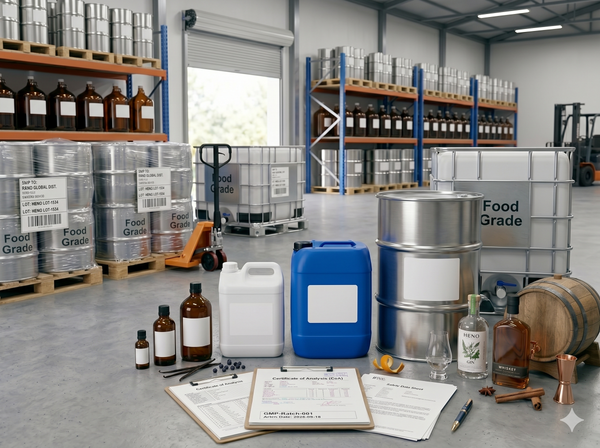
Handling and stability testing conventions for cosmetic raw materials follow Personal Care Products Council practice. Sweet almond is comparatively forgiving in storage, which is part of its appeal, but forgiving is not indefinite. Keep it cool, sealed and out of light, decant into working containers rather than reopening a drum repeatedly, and dose tocopherol at blending where the format allows. At HBNO every lot is GC/MS tested in house before release, a CoA and SDS ship with every order, and batch testing against a retained reference is available on request.

Sourcing bulk sweet almond oil from HBNO
We manufacture from a 100,000 square foot facility in Chico, California, operating under ISO and GMP systems with FDA registration, with PhD staff and in-house quality control. All three sweet almond grades sit within the carrier oils range, and the wider product list carries the tocopherol grades and blending carriers that go alongside.
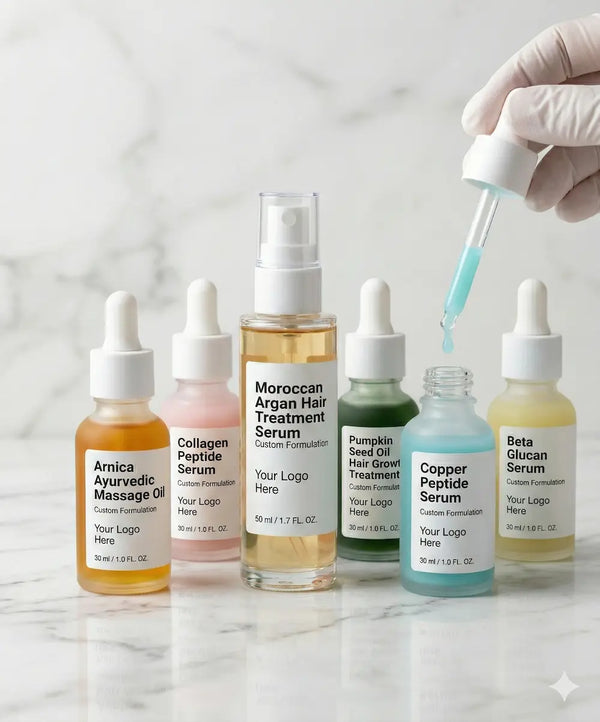
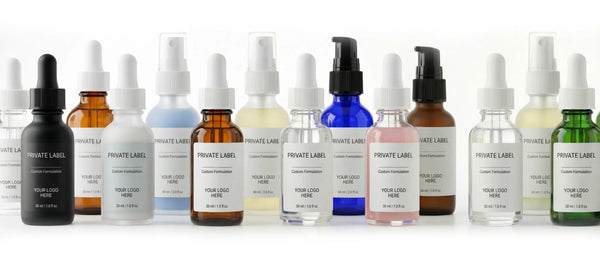
Two operational points help. There is no minimum order quantity, so a formulator can compare all three grades in the actual base before committing to a drum of any of them, which is the only reliable way to settle the refined against unrefined question. And our private label operation fills to 250,000 units per day with drop-shipping available, which suits brands supplying professional channels where order sizes fluctuate.
Frequently asked questions about bulk sweet almond oil
Which sweet almond grade should a fragranced product use?
Refined, in almost all cases. It is pale and close to odour neutral, so it will not interfere with the aromatic brief, and it is the most consistent lot to lot. Unrefined grades carry a nutty odour that shifts with harvest and will compete with a fragrance at low aromatic loads.
What inclusion rate does professional massage oil use?
Frequently 70 to 100 percent of the blend, because slip and working time are the specification and sweet almond delivers both economically. Blends at the lower end usually add a faster-drying carrier to reduce residue. Set the ratio on practitioner feedback rather than by calculation.
What is the best substitute if tree nuts are excluded?
High-oleic sunflower is generally the closest functional match on slip, viscosity and oxidative stability, and it costs less. Grapeseed is lighter and dries faster, so it changes the sensory profile more. Reformulate rather than substituting one for one, and re-test on a bench panel.
How long will bulk sweet almond oil last in storage?
Longer than most seed oils because it is predominantly monounsaturated, though not indefinitely. Record the peroxide value at delivery so later readings mean something, keep it cool, sealed and dark, and decant rather than reopening a drum repeatedly. Match order cycles to real consumption.
Does organic sweet almond perform differently in a formula?
No. Organic certification governs cultivation and handling rather than composition, so functional behaviour matches the conventional equivalent at the same refinement grade. Its value is commercial and depends on the certificate tracing to the specific lot used in your batch.
Specifying bulk sweet almond oil across a range
Sweet almond earns its position as the default carrier, and the way to keep that from becoming a liability is to specify it precisely. Name the grade alongside the botanical, hold a retained reference, put the four CoA figures in the specification, handle the tree nut declaration and any shared-equipment implications deliberately, and decide the non-nut alternative before a channel forces the question. To compare grades or request samples of bulk sweet almond oil, contact our team for a quote.
Published by the HBNO editorial team. HBNO (IL Health & Beauty Natural Oils Co., Inc.) is a manufacturer and bulk supplier of essential oils and carrier oils based in Chico, California.