For personal care formulators and contract manufacturers building skincare, haircare, and color cosmetic lines, the choice of jojoba oil vs castor oil shapes texture, stability, and cost per batch. The question is less which oil is superior than which material matches the product on your schedule: one behaves like a lightweight wax ester close to human sebum, the other like a heavy, film forming triglyceride prized for slip and shine. At HBNO, we supply both grades to brands that need consistent specifications at any volume.
Jojoba Oil vs Castor Oil: Two Distinct Functional Profiles
Jojoba oil is a liquid wax ester, while castor oil is a ricinoleic acid rich triglyceride, and that single chemical difference drives every formulation decision. Jojoba oil (Simmondsia chinensis) is technically a liquid wax with a structure remarkably similar to human sebum, giving it a light, dry skin feel, fast absorption, and exceptional oxidative stability. Castor oil (Ricinus communis) is dominated by ricinoleic acid at roughly 85 to 90 percent, an unusually high single fatty acid concentration that produces high viscosity, strong film formation, and pronounced gloss. In practice, jojoba reads as weightless slip and castor as cushion and shine. Formulators treat them as complementary tools, not substitutes.

Where Jojoba and Castor Oil Fit Across Personal Care Products
Each oil earns its place in specific product categories, from leave on skincare to lip color and conditioning hair care formulations. Jojoba oil is a favorite in facial serums, lightweight moisturizers, and pre shampoo scalp care formulations, where a non greasy, non comedogenic emollient supports the skin barrier without a heavy afterfeel, and as a stable carrier for actives in anhydrous systems. Castor oil is the backbone of lip gloss, lipstick, and liquid lipstick, where its viscosity disperses pigment evenly and delivers high shine, and it boosts lather in transparent soap bars while adding cushion to pomades and conditioning masks. We supply both as bulk carrier oils, while derivatives such as hydrogenated castor oil and PEG based castor esters extend the range into surfactant and solubilizer roles.
Jojoba Oil vs Castor Oil: Emollient Performance, Stability, and Cost
On pure performance, the decision comes down to skin feel, oxidative shelf life, and cost per kilogram. Jojoba's wax ester chemistry makes it one of the most oxidatively stable botanicals available, meaning long shelf life, though it carries a higher raw material cost. Castor oil is more economical per kilo and delivers unmatched gloss and film strength, but its heavier profile can feel occlusive in leave on facial products. The global carrier oils market continues to expand with clean beauty demand, pushing procurement teams to weigh function and traceability alike.
|
Attribute |
Jojoba Oil |
Castor Oil |
|
Chemical class |
Liquid wax ester |
Ricinoleic acid triglyceride |
|
Skin feel |
Light, fast absorbing |
Rich, occlusive, high slip |
|
Best fit |
Serums, light lotions, scalp care |
Lip color, soaps, pomades |
|
Stability |
Very high |
Moderate |
|
Cost per kg |
Higher |
Lower |
Specification and Sourcing Priorities for Bulk Buyers
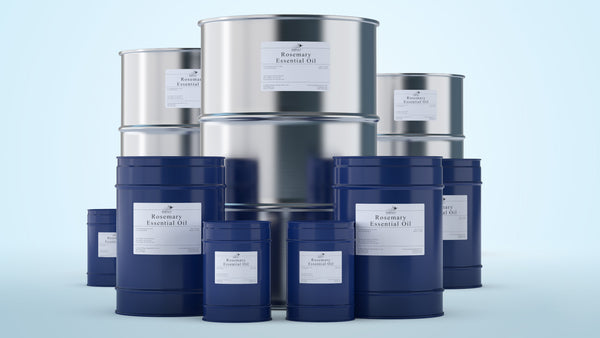
For procurement teams, consistency of specification matters more than any single figure on a spec sheet. Whether you order bulk jojoba oil or bulk castor oil, batch to batch uniformity in color, acid value, and fatty acid profile determines whether your formulation behaves identically across runs. Reputable suppliers verify identity and purity through GC/MS analysis and issue a Certificate of Analysis (CoA) and Safety Data Sheet (SDS) with every shipment. Confirm grade (cosmetic, food grade, or USP for castor), refinement level, and organic certification where clean label positioning is required. Documentation aligned with the Personal Care Products Council and FDA cosmetic labeling requirements streamlines regulatory review.

Why Personal Care Brands Source Jojoba and Castor Oil from HBNO
HBNO manufactures and supplies both oils with the documentation, capacity, and flexibility that scaling production demands. From our 100,000 square foot facility in Chico, California, we run GC/MS testing on every product and issue a CoA and SDS with each shipment. Our certifications include ISO, GMP, FDA, Kosher, USDA Organic, and FAIR FOR LIFE, and we hold no minimum order quantity, so you can trial before you scale. With private label capacity of 250,000 units per day, drop shipping, and global shipping, we support brands from sample to recurring contract. Learn more about our operations or explore private label programs.
Frequently Asked Questions
What is the main difference between jojoba oil and castor oil in formulation?
Jojoba oil is a lightweight wax ester that absorbs quickly, ideal for leave on skincare. Castor oil is a viscous, film forming triglyceride valued for gloss and pigment dispersion in lip products and soaps. They fill complementary roles.
Can jojoba oil and castor oil be blended in one product?
Yes. Many formulas combine them: jojoba as a light emollient base, castor for slip, shine, and cushion. The ratio is tuned to skin feel and product category.
Which oil is more cost effective for bulk manufacturing?
Castor oil is generally more economical per kilogram, while jojoba commands a premium for its stability. Weigh cost per kilo against shelf life, skin feel, and finished product positioning.
What certifications should I request when sourcing these oils in bulk?
Request a Certificate of Analysis and Safety Data Sheet for every batch, plus GC/MS verification of the fatty acid profile. For clean label lines, confirm USDA Organic status.
How should jojoba oil and castor oil be stored for shelf life?
Store both in sealed, opaque containers away from heat and light. Jojoba's oxidative stability gives a long shelf life; castor needs controlled storage to preserve color and viscosity.
Conclusion
Choosing between jojoba oil vs castor oil is a formulation and sourcing decision, not a contest. Match jojoba's light emollience to leave on skincare and castor's gloss to lip color, soaps, and conditioning formulations, then specify both against verified GC/MS data. As a manufacturer and bulk supplier, HBNO helps personal care brands secure consistent, certified supply at any volume.
Published by the HBNO Bulk editorial team. HBNO (IL Health & Beauty Natural Oils Co., Inc.) is a manufacturer and bulk supplier of essential oils and carrier oils based in Chico, California.
Ready to source bulk jojoba oil or castor oil for your next formulation? Request a quote or talk to our sourcing team.