Almond oil is primarily available in two forms: bitter almond oil and sweet almond oil, with sweet almond oil being the preferred choice for cosmetic applications due to its mild profile. Bitter almond oil is typically reserved for fragrance applications and is not intended for direct topical use. Sweet almond oil itself is further categorized by its processing method, which directly impacts its protein content and potential allergenicity.
-
Unrefined Sweet Almond Oil: This oil is typically cold-pressed, preserving its natural constituents, including higher levels of proteins. While rich in fatty acids, its protein content makes it a higher risk for individuals with almond allergies.
-
Refined Sweet Almond Oil: This grade undergoes processing to remove impurities and most allergenic proteins. While this significantly reduces the risk, trace amounts of proteins may still be present, necessitating caution for severely allergic consumers. HBNO's refined sweet almond oil, often sourced from California, is valued for its purity and consistent specifications in cosmetic and personal care product development.
The choice between unrefined and refined almond oil depends on the target consumer base and the desired allergen profile of the finished product. For broad market appeal, refined options are generally preferred due to their reduced allergenicity and neutral characteristics.
Managing Allergen Risks in Cosmetic Formulations
Effective allergen management is crucial for formulators using bulk almond oil to ensure product safety and regulatory compliance. Tree nut allergies, including almond allergies, affect a significant portion of the population, making clear labeling and ingredient transparency paramount. While highly refined oils are generally considered to have a lower allergenic potential, the presence of even trace proteins can trigger reactions in sensitive individuals.
Key considerations for formulators include:
-
Ingredient Sourcing and Specification: Work with suppliers like HBNO who provide detailed Certificates of Analysis (CoA) and Safety Data Sheets (SDS) for their wholesale carrier oils, including protein content where applicable. Specify refined grades to minimize allergenic proteins.
-
Labeling Practices: Clearly label products containing almond oil, even if refined, to inform consumers with nut allergies. Adhere to regional labeling regulations for allergens.
-
Cross-Contamination Prevention: Implement robust cleaning protocols in manufacturing facilities to avoid cross-contamination between nut-containing and nut-free formulations.
-
Consumer Guidance: Advise consumers with known nut allergies to perform a patch test before widespread use of any new product, and to consult with an allergist if concerns persist.
Understanding the nuances of almond oil processing and its impact on allergenicity allows formulators to make informed decisions that prioritize consumer safety.
HBNO's Commitment to Quality and Supply Chain Transparency
At HBNO, our commitment to quality ensures that every bulk almond oil shipment meets stringent specifications for purity and consistency. Our 100,000 sq ft production facility in Chico, California, operates under ISO and GMP certifications, ensuring that all our ingredients, including carrier oils for cosmetic formulation, are processed and handled with the highest standards.
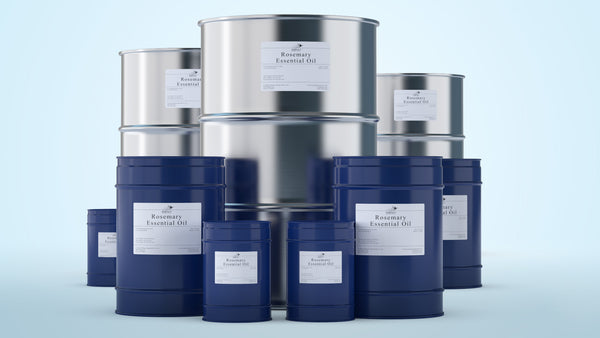
Every product undergoes rigorous GC/MS testing, and a comprehensive Certificate of Analysis (CoA) and Safety Data Sheet (SDS) accompany each shipment. This transparency provides our B2B clients with the necessary documentation to ensure their finished products meet regulatory requirements and consumer expectations. We understand the importance of reliable supply, offering no minimum order quantity (MOQ) and flexible long-term supply contracts to support your production needs. Our PhD-led in-house quality control team meticulously verifies the specifications of all incoming and outgoing materials, guaranteeing batch consistency. For brands seeking custom formulations or private label solutions, our facility boasts a 250,000 units/day private-label production capacity, supported by global shipping capabilities.

Alternative Carrier Oils for Nut-Free Formulations
For formulators developing nut-free products or catering to consumers with almond allergies, several excellent alternative carrier oils offer similar functional properties. These alternatives allow brands to create inclusive product lines without compromising on quality or performance.
Consider these options for your formulations:
-
Jojoba Oil: A liquid wax that closely mimics the skin's natural sebum, offering excellent moisturizing and non-comedogenic properties. It is highly stable and suitable for all skin types.
-
Fractionated Coconut Oil: A lightweight, non-greasy oil that is easily absorbed. It is highly stable and provides a smooth skin feel without the typical coconut scent.
-
Grapeseed Oil: A light, non-comedogenic oil rich in linoleic acid, often used in formulations for its emollient properties and quick absorption.
-
Sunflower Seed Oil: A versatile and cost-effective carrier oil, known for its nourishing and hydrating properties. It is widely available and suitable for various cosmetic applications.
These alternatives provide formulators with a robust palette of ingredients to develop high-quality, nut-free personal care products that meet diverse consumer needs.
Frequently Asked Questions
What documentation does HBNO provide for bulk almond oil?
HBNO provides a Certificate of Analysis (CoA) and Safety Data Sheet (SDS) with every bulk almond oil shipment. These documents detail the product's specifications, including purity and composition, to support your quality control and regulatory compliance.
How does HBNO ensure the quality of its refined sweet almond oil?
Our refined sweet almond oil undergoes rigorous GC/MS testing and other quality control measures at our in-house, PhD-led laboratory. We adhere to ISO and GMP standards at our Chico, California facility to ensure consistent quality and purity for every batch.
Can HBNO supply certified organic almond oil?
Yes, HBNO offers USDA Organic certified ingredients, including various carrier oils. Please specify your certification requirements when requesting a quote or sample for organic almond oil.
What are the lead times for bulk almond oil orders?
Lead times for bulk almond oil orders are quoted with your sample and CoA request. They scale with order size, specific grade requirements, and any necessary certifications, ensuring efficient delivery for your production schedule.
Does HBNO offer private label services for products using almond oil?
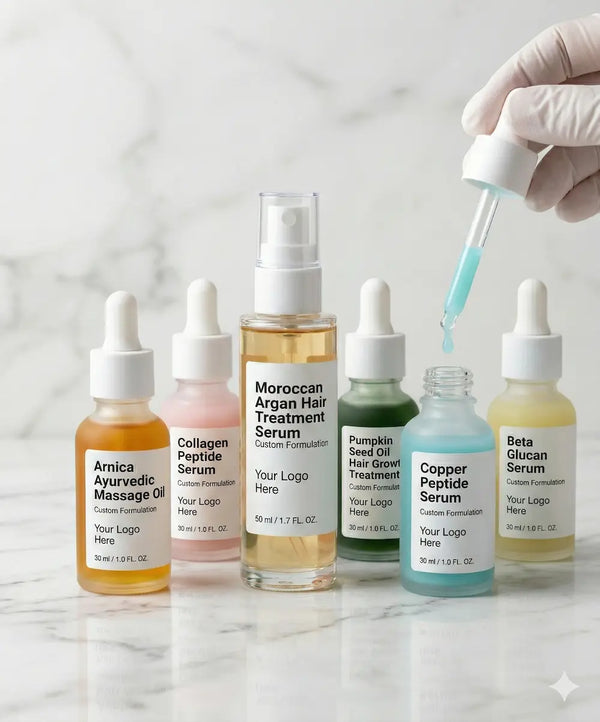
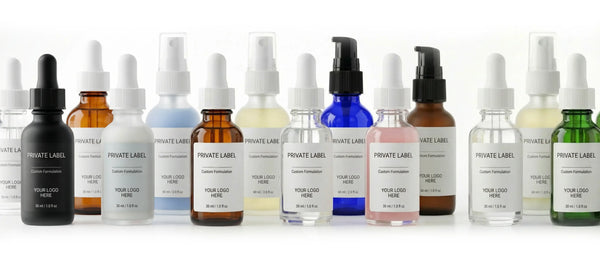
Yes, HBNO provides comprehensive private label services. With a production capacity of 250,000 units/day, we can assist in developing and manufacturing custom formulations, including those featuring almond oil, under your brand.
Conclusion
Almond oil remains a valuable ingredient for cosmetic and personal care formulations, offering excellent emollient and hydrating properties. However, for formulators, understanding the distinctions between refined and unrefined grades, and proactively managing allergen considerations, is essential for developing safe and compliant products. By partnering with a reputable bulk supplier like HBNO, formulators gain access to high-quality ingredients, comprehensive documentation, and expertise in navigating ingredient specifications. This approach ensures that your brand can confidently leverage the benefits of bulk almond oil while addressing the needs of all consumers, including those with sensitivities.
Published by the HBNO Bulk editorial team. HBNO (IL Health & Beauty Natural Oils Co., Inc.) is a manufacturer and bulk supplier of essential oils and carrier oils based in Chico, California.