Open the top-note line of a classical eau de cologne, a chypre, or almost any modern fougere and the same material keeps appearing. Bergamot essential oil is the default citrus opening in fine fragrance, and it holds that position not because it is the brightest citrus available but because it is the only one that behaves like a floral on the way down. At HBNO we sell bergamot into fine fragrance houses, private-label grooming lines, candle manufacturers, and flavor companies in the same week, and each of those buyers needs a different grade of it. Getting that grade choice wrong is the single most expensive mistake in the category, because the regulatory constraint that governs it does not show up on a standard specification sheet.
Why Bergamot Essential Oil Anchors So Many Fine Fragrance Openings
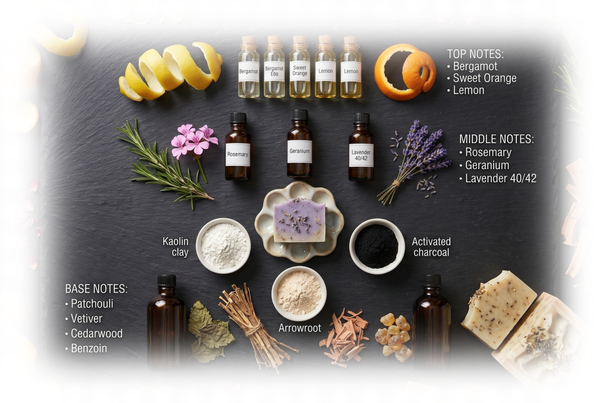
Bergamot is the one citrus oil that carries a substantial linalyl acetate fraction, which is why it hands a composition off to a floral heart without an audible seam. HBNO's bergamot essential oil is cold pressed from the fruit peel of Citrus aurantium bergamia grown in Italy, and it runs limonene at 34 to 45 percent, linalyl acetate at 25 to 36 percent, linalool at 8 to 14.4 percent, and gamma-terpinene at 4 to 9 percent. The limonene and gamma-terpinene supply the lift and the recognisable citrus attack. The linalyl acetate and linalool are the unusual part: they are the same two constituents that dominate lavender essential oil, which is why bergamot reads sweeter, rounder and less sharp than lemon or grapefruit, and why it sits comfortably beside a lavender or clary sage heart. Our note on the linalyl acetate chemistry perfumers build fougeres around covers the other half of that relationship. In structural terms bergamot is a top note that behaves like a heart note for the first twenty minutes, which is exactly what a classical cologne, a chypre opening, or a fougere accord needs. Perfumers who want to sharpen that opening rather than soften it often reach for a spice modifier, a job black pepper oil does well.

Bergapten, Furanocoumarins, and the IFRA Restriction That Governs the Grade
Cold-pressed citrus peel oils carry non-volatile furanocoumarins, and in bergamot the significant one is bergapten, which is why expressed bergamot oil is restricted by IFRA in leave-on products intended for skin exposed to sunlight. Furanocoumarins do not distil over, so they are present in cold-pressed material and effectively absent from rectified material. That single distinction sets the whole commercial structure of the category. The IFRA Standards set a maximum level for expressed bergamot oil that varies by product category, and the level permitted in a leave-on body product is far below what a candle or a household cleaner can carry, because exposure and sunlight are the variables the Standard is written around. Buyers frequently discover this after a formula has been signed off, which is why we recommend establishing the target IFRA category before selecting the grade rather than after. The mechanics of that calculation, and why a bench percentage is not the answer, are set out in our piece on where the pinned dilution chart stops working. A furanocoumarin or bergapten content statement is not part of a standard citrus CoA, so it has to be requested specifically. Our QC team issues one on request for buyers whose finished product category requires it.
Cold Pressed, Bergapten Free, or Compounded: Choosing the Right Bergamot Grade
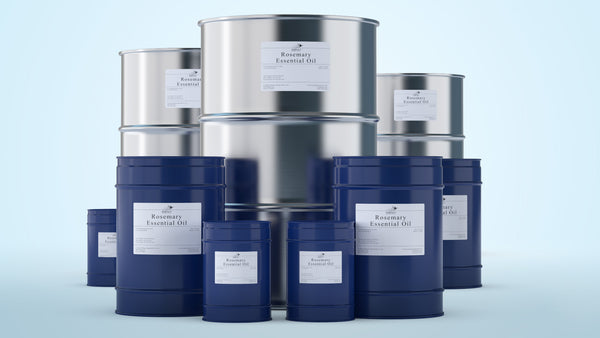
HBNO supplies bergamot in four commercial forms, and the finished product category decides which one belongs on the purchase order. The cold-pressed oil carries the full natural odour profile and the furanocoumarin load that comes with it, and it is the right choice for fine fragrance, candles, home care, and rinse-off products where the applicable IFRA level is workable. The bergapten-free rectified grade, and its certified organic equivalent, are vacuum-rectified to strip the furanocoumarins for leave-on personal care, at the cost of a slightly thinner, less complex top note that most formulators compensate for elsewhere in the accord. A bergamot natural fragrance is a compounded material for candle, home care and detergent work where cost per kilo drives the decision and the natural oil's regulatory profile is unnecessary. Bergamot is also FEMA/GRAS food grade, which puts it into Earl Grey style tea flavours, confectionery, dairy and beverage systems. One more thing separates a good bergamot lot from an average one: this is among the most frequently adulterated citrus oils on the market, commonly extended with added linalyl acetate, limonene recovered from other citrus, or synthetic linalool. Optical rotation of plus 10 to plus 35, a specific gravity of 0.86 to 0.89, a refractive index of 1.455 to 1.475, and the linalyl acetate to linalool ratio are what catch it, and a full GC/MS profile is how a buyer confirms it.

Why Fragrance Houses Source Bergamot Essential Oil from HBNO
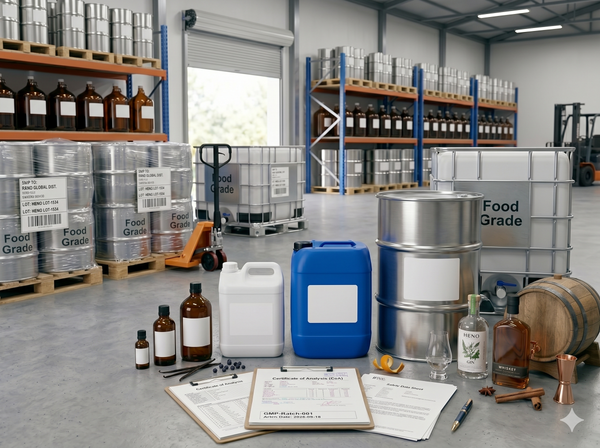
Every lot of bergamot essential oil we ship is GC/MS tested in house and issued with a Certificate of Analysis and a Safety Data Sheet, with batch testing and furanocoumarin statements available on request. Our bergamot is Kosher certified through EarthKosher and holds both food grade and cosmetic grade designations, so a company running a fragrance line and a flavour line can qualify one supplier rather than two. HBNO manufactures from a 100,000 square foot facility in Chico, California under ISO, GMP and FDA registrations, with PhD-level staff in quality control. Bergamot has a flash point of 58 degrees C and classifies as Flammable liquids Hazard Category 3, so freight and storage documentation travel with every shipment. There is no minimum order quantity, and buyers scoping a full accord can work through our fragrances range with our team.
Frequently Asked Questions
What makes bergamot different from other citrus essential oils in perfumery?
Bergamot carries linalyl acetate at 25 to 36 percent and linalool at 8 to 14.4 percent, fractions no other common citrus oil has at that level. Those two constituents are what give lavender its sweetness, so bergamot reads rounder and less sharp than lemon or grapefruit and transitions into a floral heart without an obvious break.
Why is cold-pressed bergamot oil restricted for leave-on skin products?
Cold pressing carries non-volatile furanocoumarins, principally bergapten, into the oil. Because those compounds are the reason IFRA restricts expressed bergamot in products left on skin that is exposed to sunlight, the permitted level in a leave-on category is far lower than in a candle or a rinse-off product. Formulators should confirm the current IFRA Standard for their category.
What is bergapten-free bergamot oil and when should it be used?
Bergapten-free bergamot is vacuum rectified to remove the furanocoumarin fraction, which makes it the usual choice for leave-on personal care. The trade-off is a slightly thinner and less complex top note than the cold-pressed material. HBNO supplies both a conventional and a certified organic bergapten-free grade.
How can a buyer tell whether a bergamot lot has been adulterated?
Bergamot is commonly extended with added linalyl acetate, limonene recovered from other citrus, or synthetic linalool. The physical constants are the first check: optical rotation of plus 10 to plus 35, specific gravity of 0.86 to 0.89, and refractive index of 1.455 to 1.475. A full GC/MS profile showing the linalyl acetate to linalool ratio is the confirmation.
Is bergamot essential oil suitable for flavour applications?
HBNO's bergamot carries FEMA/GRAS food grade designation alongside cosmetic grade, and it is used in Earl Grey style tea flavours, confectionery, dairy and beverage systems. Commercial users should work to current FEMA guidance for their finished food category and confirm the grade on the CoA for the lot supplied.
HBNO's Food Grade Essential Oils are concentrated ingredients listed by the U.S. Food and Drug Administration ("FDA") as "Generally Recognized as Safe." These ingredients can be used in food applications according to guidelines set forth by the FDA and the Flavor and Extract Manufacturers Association. For commercial use, please consult industry guidelines, such as FEMA, for information related to the safe use of these concentrated ingredients.
Bergamot essential oil holds its place at the top of so many formulas because of a chemistry accident: a citrus peel that happens to carry a lavender's worth of linalyl acetate. That same peel carries bergapten, and the two facts together are why grade selection, not price, should drive the purchase order. Establish the IFRA category first, choose cold-pressed or bergapten-free second, and confirm the lot against the physical constants before it enters a production formula. For constituent ranges, furanocoumarin statements, CoAs, and bulk pricing on bergamot essential oil, contact HBNO's team directly.
Published by the HBNO editorial team. HBNO (IL Health & Beauty Natural Oils Co., Inc.) is a manufacturer and bulk supplier of essential oils and carrier oils based in Chico, California.