Pet care is one of the fastest-growing shelves in natural personal care, and "natural dog shampoo" has become a label every private label brand wants on its bottle. Fewer brands can explain what that label actually means at the raw material level, and fewer still know which claims they can legally make once the finished product is filled and capped. A natural dog shampoo formulation is built from a surfactant system the brand's chemist selects, plus a small set of carrier oils that suppliers like HBNO actually sell in bulk: materials chosen for viscosity and emolliency once diluted into a wash-off base. At HBNO, procurement teams building a pet care line ask us the same three questions on nearly every call: what goes in, what the paperwork says about it, and what they are and are not allowed to claim once it is on shelf.
What "Natural" Actually Means in a Dog Shampoo Base
A natural dog shampoo base is built around a handful of carrier oils selected for fatty acid profile, not marketing language. Castor oil (Ricinus communis) brings a high ricinoleic acid content, typically 78 to 85 percent by GC/MS, which gives a formulation body and a slight viscosity lift that surfactant blends alone don't provide. Jojoba oil (Simmondsia chinensis) is technically a liquid wax ester rather than a triglyceride, dominated by long-chain fatty acids and alcohols including gondoic acid in the 44 to 67 percent range, and it has similarities to the skin's own sebum, which is why formulators reach for it in rinse-off and leave-in coat products alike. Argan oil (Argania spinosa) is a high-oleic carrier oil, generally 75 to 90 percent oleic acid, and contributes the slip and finish formulators look for in coat conditioning products.
None of these materials are surfactants. They arrive at a formulation lab as the emollient and conditioning fraction that gets blended into a cleansing base the brand's own chemist builds, usually from a mild coconut-derived or amino acid surfactant system sourced separately. The oil is where the sourcing story and the CoA paperwork live; the surfactant is where the cleaning function lives. A fragrance oil is usually the last piece added for scent, checked against IFRA's fragrance safety standards, the same reference used across human personal care. Keeping those three roles straight is the first thing a new pet care account gets right.

The Neem Question and Where the Compliance Line Sits
Neem oil comes up in nearly every pet care sourcing conversation, and it is one raw material where the compliance line matters more than the chemistry. Buyers ask for it by name because of its long history of use in traditional formulations, and HBNO does supply virgin neem carrier oil. What we do not do, and what no supplier should do, is attribute any insect-repelling or insecticidal action to the oil itself at any dilution. Products marketed with a pest-control claim, including a flea claim on a pet shampoo, fall under EPA pesticide regulation, and for many finished formulations that means the FIFRA 25(b) minimum-risk exemption framework. Registration and label-claim responsibility sit with the brand selling the finished product, not with the raw material supplier.
That means a pet care brand should treat 25(b) compliance as a separate regulatory project from ingredient sourcing, decided before formulation begins. A supplier that hands over a CoA and a straight answer about the oil's chemistry, and says nothing about what it will do to a flea, is giving the honest version of that conversation.
What Natural Dog Shampoo Brands Should Ask a Bulk Supplier
A pet care formulation is only as reliable as the raw material paperwork behind it, and that paperwork should be checked before the first pilot batch, not after. A practical short list for a pet care sourcing call:
-
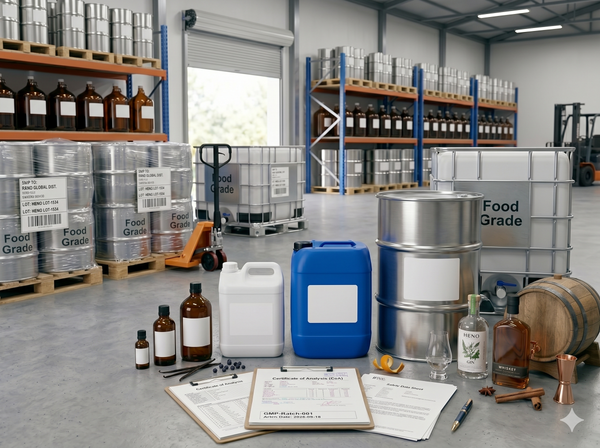
Request a lot-specific Certificate of Analysis and Safety Data Sheet, not a generic template, for every carrier oil in the formulation.
-
Confirm GC/MS testing was run on the actual lot shipping, not a reference sample from a prior year.
-
Ask whether the material carries USDA Organic certification or Kosher certification at the product level, since neither travels automatically across a supplier's full catalog.
-
Confirm minimum order quantity and lead time against the brand's own production schedule before committing shelf space to a new SKU.
-
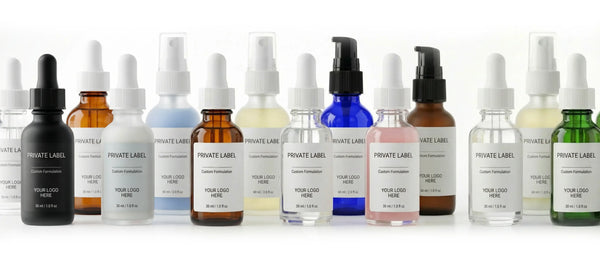
Ask about private label capacity if the program will eventually need filled and labeled units rather than raw material alone.
Demand for documented, natural formulations keeps expanding across the personal care category Grand View Research tracks, and pet care is following the same pattern. At HBNO, our Castor Carrier Oil Organic, Organic Jojoba Golden Carrier Oil, and Organic Argan Carrier Oil each ship with their own batch CoA and SDS, GC/MS tested in-house, so a formulator sees the actual fatty acid spread for the lot in hand. For a walkthrough of what that report shows, see our guide on how to read a GC-MS analysis report for bulk essential oils. General cosmetic labeling guidance from the Personal Care Products Council applies just as directly to a pet care line as to a human one.

Where HBNO Fits This Picture
A pet care program sourcing carrier oils in bulk is really sourcing a documentation chain as much as an oil. HBNO manufactures from a 100,000 square foot facility in Chico, California, holding ISO, GMP, FDA, Kosher, USDA Organic, and FAIR FOR LIFE certifications at the company level, with product-level certification confirmed per SKU, not assumed catalog-wide. Every oil we ship carries GC/MS testing, and a CoA and SDS accompany every order. There is no minimum order quantity, private label production runs up to 250,000 units a day, drop-shipping is available, and we ship globally. For a brand still building its formulation, our Carrier Oils collection covers the broader range beyond the three materials discussed here, and our private label program supports brands that want filled units rather than drums of raw material.
Frequently Asked Questions
What ingredients typically go into a natural dog shampoo base?
A natural dog shampoo base generally combines a mild surfactant system, sourced separately by the brand's formulator, with one or more carrier oils selected for conditioning and emolliency, most commonly jojoba, castor, or argan oil, plus a fragrance oil for scent. The carrier oil fraction is where "natural" sourcing claims are substantiated; the surfactant is where the cleansing function comes from.
How does a carrier oil differ from a surfactant in a pet shampoo formulation?
A carrier oil is the emollient and conditioning component: it adds slip, viscosity, and a finish to the coat once the product is rinsed off. A surfactant is the cleansing agent that actually lifts soil and oil from the coat and skin. The two perform different jobs in the same bottle, and a bulk oils supplier typically sources one, not the other.
Can neem oil be used in a pet shampoo formulation?
Neem oil can be sourced as a raw material for a pet care formulation, and HBNO supplies it in virgin carrier oil form. Any pest-control or flea-related claim on the finished product falls under EPA pesticide regulation, typically the FIFRA 25(b) framework, and that registration and label-claim responsibility belongs to the brand selling the finished product, not the raw material supplier.
Is a Certificate of Analysis required when sourcing bulk carrier oils for a pet care line?
A lot-specific CoA is not a legal requirement in every jurisdiction, but it is standard due diligence for any pet care formulator, since it confirms the fatty acid profile and physical constants of the actual batch shipping rather than a general spec sheet. Most established suppliers, including HBNO, issue one with every order as standard practice.
Should a private label pet shampoo brand request GC/MS data from its supplier?
Yes. GC/MS data confirms the constituent breakdown of the specific lot a brand is buying, which matters for consistency between production runs and for any ingredient declaration the brand publishes on its own label. A supplier unwilling to provide current, lot-specific GC/MS results is a sourcing risk worth flagging early in a formulation project.
Getting a natural dog shampoo formulation right starts with knowing what each carrier oil actually contributes and ending every sourcing conversation with paperwork, not a marketing claim, in hand. Brands that build their private label pet shampoo program on documented, GC/MS-verified carrier oils spend less time reformulating later and have an easier compliance conversation when a retailer or regulator asks for backup.
Published by the HBNO editorial team. HBNO (IL Health & Beauty Natural Oils Co., Inc.) is a manufacturer and bulk supplier of essential oils and carrier oils based in Chico, California.
Ready to source carrier oils for a pet care formulation with batch-specific documentation? Reach out to HBNO's team.