Natural deodorant is one of the fastest-growing categories in personal care, and the procurement challenge for brands entering it is not finding essential oils, it is finding essential oils with constituent documentation that supports the formulation claims they need to make. A deodorant roll-on listing "tea tree essential oil" as an active means nothing if the CoA does not confirm terpinen-4-ol content above the minimum effective concentration. Procurement managers and private-label formulators building natural deodorant SKUs need GC/MS-verified actives, not just species names and a country of origin stamp.
At HBNO, we supply GC/MS-tested bulk essential oils from our 100,000 sq ft facility in Chico, California, with constituent-level certificates on every shipment and no minimum order quantity from sample volume through production-scale drum orders.
Key Constituents in Natural Deodorant Formulations
Natural deodorant formulators may review the concentrations of specific essential-oil constituents such as terpinen-4-ol in tea tree oil, linalool in lavender oil, and menthol in peppermint oil as part of ingredient selection, fragrance development, and batch-to-batch formulation consistency. These constituent levels can be documented on the GC/MS certificate before an oil is used in a production batch.
Body odor can develop when sweat interacts with naturally occurring skin microorganisms. Natural deodorant formulators may select essential oils based on their aroma profile and documented constituent composition, which can help support consistent fragrance and ingredient-selection criteria across production batches.
The three primary essential oils used across natural deodorant formats:
-
Tea tree essential oil (Melaleuca alternifolia): Terpinen-4-ol is a key constituent commonly reviewed in tea tree oil specifications, with commercial profiles often ranging from 35–48%. For deodorant formulations, formulators may request a constituent profile aligned with their internal quality specifications. ISO 4730:2017 includes compositional parameters for tea tree oil, including a cineole limit of no more than 5% v/v (Tighe et al., 2013, Transl Vis Sci Technol, 2(7):2). for conforming grades. Reviewing a current GC/MS Certificate of Analysis helps confirm constituent composition before use in a finished formula.
-
Lavender essential oil (Lavandula angustifolia): Linalool (28–35% in USDA Organic grade; 30–50% in Bulgarian conventional) and linalyl acetate (20–40%) are key constituents that contribute to lavender oil’s characteristic floral aroma. Its soft, floral profile can help balance tea-tree-forward fragrance compositions in roll-on and cream deodorant formats.
-
Peppermint essential oil (Mentha spp.): Menthol content (35–50%, depending on species) contributes a recognizable minty aroma and cooling sensory note. In sprays and roll-ons, peppermint can add a fresh, invigorating scent profile that supports the overall consumer experience of natural deodorant products.
The global organic deodorant market was valued at USD 7.08 billion in 2025 and is projected to reach USD 10.12 billion by 2030, growing at a CAGR of 6.32%, according to Mordor Intelligence's Organic Deodorant Market Report. Consumer interest in plant-based ingredients and transparent constituent documentation continues to shape the natural deodorant category. Constituent-level documentation can support ingredient selection, batch consistency, and substantiation review for finished-product claims.

Formulation Applications for Bulk Essential Oils in Natural Deodorant Manufacturing
Bulk essential oils serve four primary natural deodorant formats, roll-on, spray, deodorant stick, and body powder each with different inclusion rates, carrier system requirements, and documentation standards for private-label market positioning.
Deodorant spray: 1–3% total essential oil loading in an alcohol/water/emulsifier system. Tea tree is typically the lead active at 1.5 - 2%, with lavender and peppermint in supporting roles at 0.5% each. FEMA/GRAS designation on all three supports dual personal care and food-adjacent regulatory documentation.
Roll-on deodorant: 2–5% total essential oil in a fractionated carrier (jojoba, fractionated coconut, or a light blended base). Viscosity compatibility with roll-on fill equipment matters confirm the essential oil blend's impact on the base viscosity before locking the formula.
Anhydrous deodorant stick: Essential oils at 2–5% in a wax/butter base (beeswax, candelilla, shea, or cocoa butter). IFRA-compliant dilution levels apply for leave-on skin contact products. At HBNO, we issue IFRA compliance documentation with every essential oil shipment.
Body powder: 0.5–2% essential oil absorbed onto an arrowroot or bicarbonate carrier. Lower inclusion rates manage skin sensitisation risk in formats worn close to mucous membranes and applied across a larger body surface area.
In our experience working with private-label deodorant formulators, the documentation gap most often surfaces during ingredient label review when a brand's regulatory advisor requests terpinen-4-ol content data and the supplier provides only a botanical declaration. We build constituent-level CoAs as the baseline for every shipment, not as an add-on request.
HBNO's Bulk Essential Oil Supply Credentials for Deodorant Manufacturers
HBNO supplies GC/MS-verified bulk essential oils for natural deodorant formulation from our ISO, GMP, FDA, Kosher, and USDA Organic certified facility in Chico, California, including tea tree, lavender, and peppermint in conventional and organic grades with no minimum order quantity and global shipping to personal care manufacturers.
Key supply specifications for the three primary deodorant actives:
-
Tea tree essential oil (Melaleuca alternifolia, South Africa, steam-distilled) terpinen-4-ol 35–48%, cineole ≤5%; GC/MS tested, Kosher certified, cosmetic grade, IFRA compliant
-
Organic tea tree essential oil terpinen-4-ol 41% (avg by batch GC/MS); USDA Organic (OneCert), Kosher; appropriate for finished labels requiring organic certification
-
Lavender Bulgarian essential oil (Lavandula angustifolia, Bulgaria, steam-distilled) linalool 30–50%, linalyl acetate 20–40%; GC/MS tested, Kosher, FEMA/GRAS, IFRA compliant

Peppermint oil (conventional Mentha × piperita and Japanese Mentha arvensis high-menthol grade) is available from our natural essential oils collection, with menthol and menthone content documented on the batch GC/MS CoA.
Supply terms for deodorant manufacturers:
-
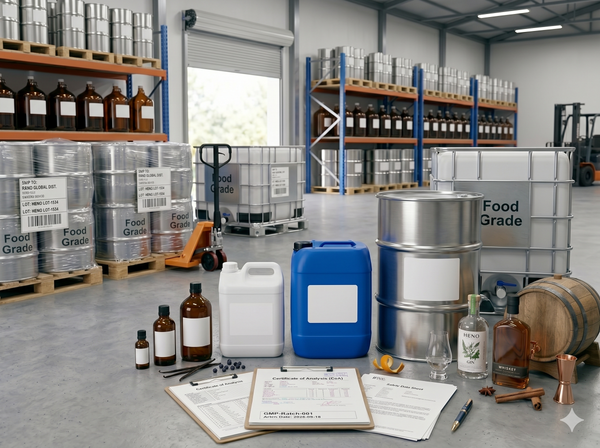
No MOQ sample volume through 25 kg containers and drum quantities
-
250,000 units/day private-label production capacity for finished deodorant SKUs across spray, roll-on, stick, and powder formats
-
Drop-shipping available; global shipping to North America, Europe, Asia, Oceania
-
Long-term supply agreements for volume allocation and pricing stability
FAQ
What terpinen-4-ol content should formulators specify when sourcing bulk tea tree essential oil for natural deodorant?
A terpinen-4-ol content of at least 35% is commonly referenced in commercial tea tree oil specifications. ISO 4730:2017 sets the range at 35–48% terpinen-4-ol with cineole ≤5%, the cineole limit is specifically relevant for leave-on underarm products where sensitisation risk in that skin zone must be managed. HBNO documents both terpinen-4-ol and cineole on every batch CoA for both conventional and organic tea tree grades.
Is HBNO's bulk lavender essential oil suitable for natural deodorant formulations?
Yes. HBNO's Bulgarian lavender (Lavandula angustifolia, linalool 30–50%, linalyl acetate 20–40%) is GC/MS tested, Kosher certified, and FEMA/GRAS approved. Linalool at these concentrations is a key constituent that contributes to lavender essential oil’s characteristic floral aroma profile in personal care formulations. For brands requiring USDA Organic certification on the finished deodorant label, our organic lavender grade delivers linalool 28–35% with USDA Organic documentation.
What IFRA and regulatory standards apply to essential oils in leave-on deodorant formulations?
HBNO issues IFRA compliance documentation with every essential oil shipment. For leave-on underarm applications (IFRA Category 4), key considerations include ISO 4730:2017 cineole limits for tea tree and maximum use concentrations for sensitising constituents in lavender and peppermint at the finished-product level. Always consult your IFRA compliance file and the relevant regulatory bodies (FDA, EU Cosmetics Regulation) for your target market before finalising label claims.
Can HBNO supply essential oils as part of a complete private-label natural deodorant manufacturing program?
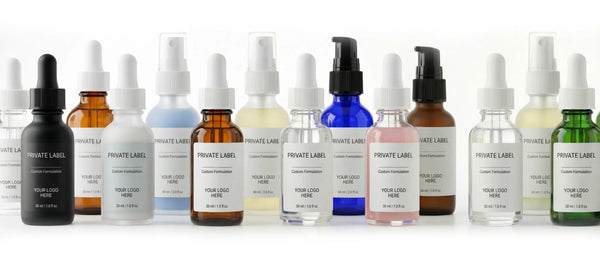
Yes. Our private label services support complete deodorant product development from ingredient sourcing and GC/MS-verified constituent profiles through formulation, filling, and branded packaging. With 250,000 units per day of production capacity at our Chico facility, we can support roll-on, spray, stick, and powder formats. The same constituent-verified ingredient stock that your development team sources for prototyping is used in the production run.
How should bulk essential oils for deodorant manufacturing be stored to maintain antimicrobial potency?
Store in sealed, HDPE or stainless-steel containers at 15–25°C, away from direct light and heat sources. Shelf life is 2 years from distillation date for tea tree, lavender, and peppermint under proper conditions. HBNO provides storage and handling guidance on every CoA, with SDS documentation under GHS/OSHA classification. For accounts shipping into EU markets, REACH compliance documentation is available on request.
Published by the HBNO Bulk editorial team. HBNO (IL Health & Beauty Natural Oils Co., Inc.) is a manufacturer and bulk supplier of essential oils and carrier oils based in Chico, California.