What Defines Organic Essential Oils for Commercial Use?
Organic essential oils are derived from plants cultivated without synthetic pesticides, herbicides, or genetically modified organisms (GMOs), adhering to strict certification standards. These oils typically carry certifications from recognized bodies such as the USDA Organic or EU Organic, which verify that every step of the production process from cultivation to distillation and packaging meets rigorous organic criteria. This certification provides assurance that the oil is produced in a manner that minimizes chemical inputs and supports environmentally responsible practices. While organic certification primarily addresses cultivation and processing integrity rather than efficacy, it signifies a commitment to supply chain transparency, traceability, and ecological stewardship. For formulators, this means a verifiable ingredient profile that can support product claims and consumer expectations.
Conventional Essential Oils: Quality and Supply Considerations
Conventional essential oils are produced using standard agricultural methods, which may involve the use of synthetic pesticides and fertilizers, but are not inherently inferior in quality. Many reputable suppliers, including HBNO, implement stringent testing protocols for purity and contamination, ensuring that conventional oils meet high-quality specifications regardless of their organic status. The intrinsic quality of an essential oil often depends more on factors such as botanical chemotype, optimal growing conditions, precise harvest timing, and the specific extraction method employed, rather than solely on an organic label. Therefore, while organic certification is a significant factor, it is one of several indicators of overall ingredient quality and suitability for commercial formulations.

Impact of Extraction Methods on Essential Oil Purity
The chosen extraction method significantly influences the purity and potential residual contaminants in essential oils. Steam distillation, a common method for many essential oils, often helps to eliminate residual chemicals due to the high heat and pressure involved. This process is particularly effective for oils derived from flowers, leaves, and wood. However, cold-pressed oils, such as those from citrus peels, may retain more surface-level pesticide residues if the source plants were grown conventionally. In such cases, opting for organic citrus oils, like organic lemon or orange essential oil, can be advantageous for minimizing exposure to these residues in finished products. HBNO's quality control process includes rigorous testing to ensure purity across all extraction methods.
Environmental and Supply Chain Benefits of Organic Sourcing
Sourcing organic essential oils contributes to broader environmental sustainability goals and offers enhanced supply chain transparency. Organic farming practices are designed to protect and regenerate soil health, reduce water pollution, and support biodiversity by avoiding synthetic chemicals. By integrating organic ingredients into formulations, businesses not only meet consumer demand for eco-conscious products but also support agricultural systems that promote healthier ecosystems and long-term viability. Furthermore, the robust documentation and tracking protocols required for certified organic products often result in greater supply chain transparency, providing formulators with detailed traceability from farm to finished ingredient. This level of detail is invaluable for compliance, quality assurance, and brand messaging.

HBNO: Your Partner for Certified Organic and Conventional Essential Oils
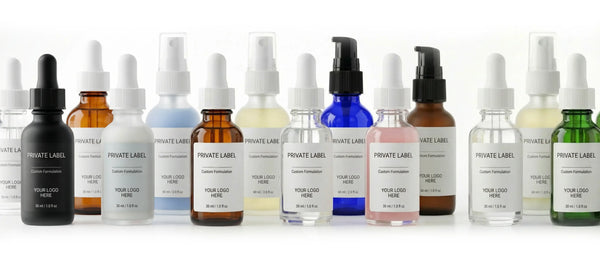
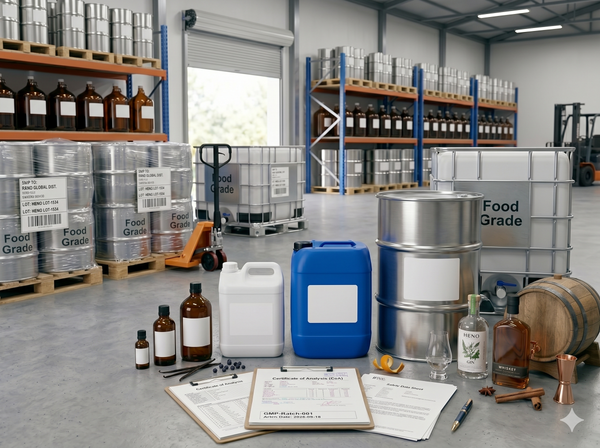
At HBNO, we understand the critical importance of ingredient quality, consistency, and compliance for your formulations. We offer a comprehensive range of both USDA Certified Organic and conventional essential oils, all rigorously tested to meet the highest industry standards. Our commitment to quality is backed by our PhD-led in-house quality control team, ensuring every batch undergoes GC/MS testing. We provide a Certificate of Analysis (CoA) and Safety Data Sheet (SDS) with every shipment, guaranteeing full transparency and supporting your product development and regulatory needs. With our 100,000 sq ft production facility in Chico, California, we are equipped to handle bulk orders with no minimum order quantity (MOQ), offering reliable supply and global shipping capabilities. Our private-label services can also support your brand's growth with custom formulations and packaging solutions.
Frequently Asked Questions for Essential Oil Buyers
What is the primary difference between organic and conventional essential oils?
The primary difference lies in the cultivation practices of the source plants. Organic essential oils come from plants grown without synthetic pesticides, herbicides, or GMOs, and are certified by recognized bodies. Conventional oils may use these inputs, but reputable suppliers still ensure purity through testing.
How does HBNO ensure the quality of its essential oils, both organic and conventional?
HBNO employs a PhD-led in-house quality control team that conducts extensive testing, including GC/MS analysis, on all essential oils. Every shipment is accompanied by a Certificate of Analysis (CoA) and Safety Data Sheet (SDS) to verify purity and compliance, regardless of organic status.
Are organic essential oils always more effective than conventional ones?
Not necessarily. The effectiveness of an essential oil is primarily determined by its chemotype, growing conditions, harvest timing, and extraction process. While organic certification ensures cultivation integrity, it does not inherently guarantee superior efficacy compared to a well-sourced and tested conventional oil.
Can HBNO supply certified organic essential oils in bulk quantities?
Yes, HBNO specializes in bulk supply of USDA Certified Organic essential oils. We offer flexible ordering with no minimum order quantity (MOQ) and have the capacity to fulfill large-scale orders from our Chico, California facility, ensuring consistent supply for your production needs.
What documentation does HBNO provide for its essential oil products?
For every essential oil product, HBNO provides a comprehensive Certificate of Analysis (CoA) and Safety Data Sheet (SDS). These documents detail the product's specifications, purity, and safety information, crucial for your formulation, quality control, and regulatory compliance requirements.
Conclusion
The choice between organic and conventional essential oils for commercial applications involves balancing various factors, including market demand, sustainability goals, cost, and specific formulation requirements. Understanding the rigorous certification processes for organic oils, alongside the robust quality assurance practices for conventional alternatives, empowers formulators and procurement teams to make informed decisions.
HBNO is dedicated to providing high-quality, fully tested bulk essential oils, both organic and conventional, to meet the diverse needs of the B2B market. Our commitment to transparency, quality control, and reliable supply ensures you receive ingredients that support your product integrity and brand reputation.
Published by the HBNO Bulk editorial team. HBNO (IL Health & Beauty Natural Oils Co., Inc.) is a manufacturer and bulk supplier of essential oils and carrier oils based in Chico, California.
Request a quote from HBNO Bulk