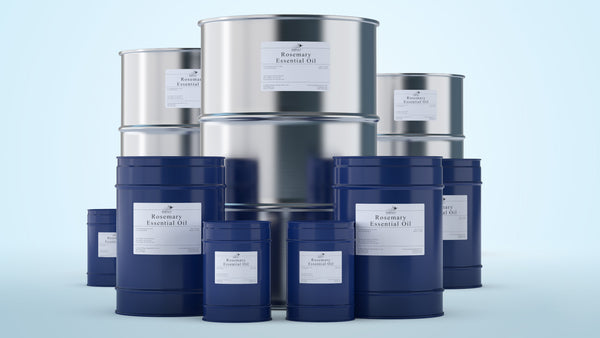
Procurement teams writing an RFQ for bulk essential oils now list a specific requirement ahead of price and lead time: confirmation that the supplier is a GMP certified essential oil manufacturer, not a reseller repackaging drums under a private label. Good Manufacturing Practice certification does not describe an oil; it describes a facility, a documented set of process controls, and the discipline applied to every batch. A Certificate of Analysis alone verifies the output, not the system that produced it. At HBNO, our Chico, California facility holds GMP certification alongside ISO, FDA, Kosher, USDA Organic, and FAIR FOR LIFE credentials, and this guide explains what that certification requires and why it belongs to the facility, not any single bottle.
What GMP Certification Actually Requires of an Essential Oil Manufacturer
GMP certification requires a manufacturer to document and control every stage of production, not just test the finished oil. Auditors reviewing a facility for GMP status, whether an internal quality team or a third-party body such as NSF International, work through a defined list: written procedures for receiving, extraction, filtration, filling, and storage; calibration records for testing equipment; and training records showing staff understand what they sign off on. A GMP system also checks incoming botanical material against a specification before production starts, not only the finished oil at the end of the line.
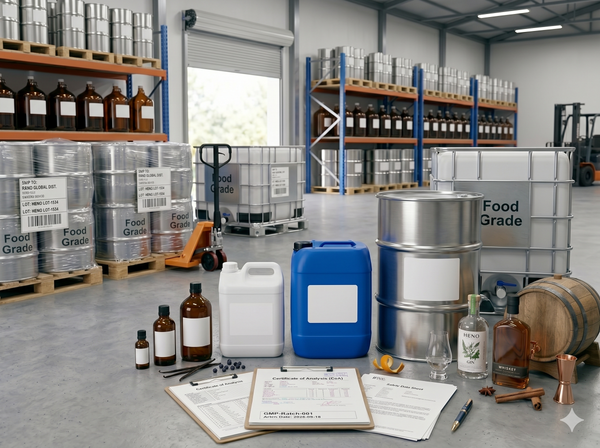
Batch records are the backbone of that system: raw material lot number, processing parameters, equipment run, and release decision, so a single batch traces to the customer who received it and back to the run it came from. A batch of Lavender Essential Oil and a batch of Tea Tree Essential Oil look nothing alike on a Certificate of Analysis, but the paper trail behind each is identical, including how a deviation, a batch outside specification, gets documented rather than quietly reworked.

GMP Certified Essential Oil Manufacturer Standards vs ISO, USDA Organic, and Kosher
GMP, ISO 9001, USDA Organic, and Kosher certifications answer different questions, and a supplier can hold some without all of them. ISO 9001 certifies a quality management system and says nothing about what the product is made of. USDA Organic and EU Organic certify the agricultural chain of custody behind a crop, from field to extraction. Kosher certification, issued by a body such as EarthKosher, reviews sourcing and equipment against dietary law, not manufacturing hygiene. GMP certification governs the manufacturing environment itself, independent of whether the oil is organic, kosher, or neither. Our guide on how to vet an ISO 9001 certified essential oil manufacturer covers that comparison in full.
The GMP framework that applies also depends on end use. Dietary supplement ingredients fall under 21 CFR Part 111, food and flavor grade material under the FDA's preventive controls rules at 21 CFR Part 117, and cosmetic grade material, with no single mandatory US GMP regulation, is typically benchmarked against the ISO 22716 guideline the Personal Care Products Council points buyers toward. Pharmaceutical grade manufacturing sits under 21 CFR Parts 210 and 211, a materially stricter bar most essential oil suppliers do not claim.
Why a GMP Certified Essential Oil Manufacturer Isn't the Same as a GMP Certified Product
A facility's GMP certification applies to how it manufactures, not to whether one specific SKU can be marketed as GMP certified on its own. Certification is issued to the legal entity operating a named facility, following an audit of that facility's systems. It does not transfer to a distributor reselling the oil under a different label, and it does not mean every product line automatically qualifies for a related claim such as organic or kosher status. Those still require their own separate certification, confirmed product by product, not assumed from the facility's overall standing. FDA registration follows the same facility versus product distinction: a site can be registered while a single SKU has no independent standing to claim federal approval on its own.
Buyers should ask a more precise question than whether a supplier is GMP certified: whether the specific site producing this order holds it, since a broker or co-packer can separate the invoice name from the facility that ran the batch. Requesting the certificate, confirming its address, and cross-referencing it against the CoA and SDS issued for the shipment closes most of that gap; our guide on building a documented quality control system as a brand scales covers the buyer side of that discipline. At HBNO, our Chico, California facility is where that certification applies, and we issue a CoA and SDS with every shipment tracing the batch to that same GMP-controlled process.

How HBNO's GMP Certified Facility Supports Bulk Manufacturing Programs
HBNO's 100,000 square foot production facility in Chico, California operates under GMP certification alongside ISO, FDA registration, Kosher, USDA Organic, and FAIR FOR LIFE credentials, with every product GC/MS tested in house before release and a Certificate of Analysis and Safety Data Sheet issued with every shipment.
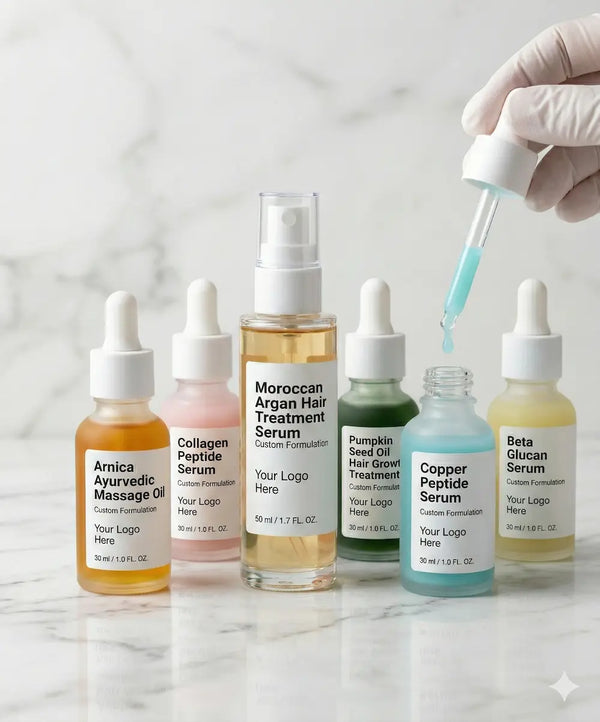
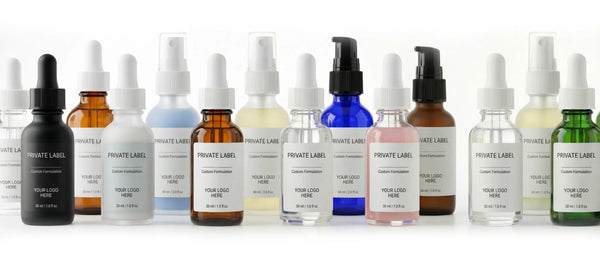
We manufacture with no minimum order quantity, useful for a brand qualifying a new supplier before committing to a full drum program, and our private label capacity runs to 250,000 units per day for brands scaling into finished formats. Global shipping across North America, Europe, and Asia lets the same GMP-controlled batch supply multiple markets without a second facility qualification. Buyers comparing vendors for a bulk program can work through the fuller framework in our guide on how to choose a certified essential oil manufacturer for bulk orders.
Frequently Asked Questions About GMP Certified Essential Oil Manufacturers
What does GMP certification mean for an essential oil manufacturer?
It means an independent auditor has reviewed the manufacturer's facility, equipment, personnel training, and batch documentation against a defined standard and confirmed the process controls are in place and followed consistently. It covers how the oil is produced, not what the oil itself contains. A GMP certified essential oil manufacturer can demonstrate a documented chain from raw material receipt through batch release, with records available for any lot on request.
How is GMP certification different from ISO 9001?
ISO 9001 certifies a quality management system, the documented procedures a company uses to manage consistency and corrective action across its operations. GMP certification is more specific to manufacturing: it audits the physical facility, equipment calibration, cleaning validation, and batch record practices used to produce the product. A supplier can hold ISO 9001 without GMP, and the reverse, though many established manufacturers carry both.
Can a single essential oil product be marketed as GMP certified on its own?
No. GMP certification is issued to the facility and the manufacturing process, not to an individual product or SKU. A product can be described as manufactured at a GMP certified facility, but calling one specific bottle GMP certified independent of its production site overstates what the certification actually covers. Certifications for organic, kosher, or food grade status are separate and are confirmed at the product level.
Which GMP framework applies to essential oils used in cosmetics versus food?
It depends on the end use the buyer intends. Food and flavor grade material falls under the FDA's preventive controls rules at 21 CFR Part 117, dietary supplement ingredients fall under 21 CFR Part 111, and cosmetic grade material is typically benchmarked against the internationally recognized ISO 22716 guideline rather than a single US regulation. Buyers should confirm which framework their finished product falls under before assuming a supplier's GMP status covers it automatically.
Should buyers ask a supplier for a copy of their GMP certificate?
Yes, and it is a reasonable request that a genuine GMP certified essential oil manufacturer will fulfill without hesitation. The certificate should show the facility address, the certifying body, and the certification's current status, which buyers can cross-check against the Certificate of Analysis and Safety Data Sheet issued with the shipment. A supplier that cannot produce the certificate, or produces one for a different address than the one actually shipping the order, is a sourcing risk worth investigating before placing a bulk order.
Choosing a GMP certified essential oil manufacturer comes down to what the certification actually verifies: a documented, audited manufacturing process, not a claim printed on a spec sheet or inherited by whoever resells the drum afterward. Ask for the certificate, confirm it matches the production site, and cross-reference it against the CoA and SDS that should accompany every shipment. A supplier that treats those requests as routine and answers them without delay is usually the one worth building a long-term program with.
Published by the HBNO editorial team. HBNO (IL Health & Beauty Natural Oils Co., Inc.) is a manufacturer and bulk supplier of essential oils and carrier oils based in Chico, California.
HBNO's Chico, California facility holds GMP certification alongside ISO, FDA, Kosher, USDA Organic, and FAIR FOR LIFE credentials, with GC/MS testing and full batch documentation behind every shipment. For volume pricing or a facility audit request, get in touch with our team.