USDA organic certification on essential oils gets treated as a stand-in for purity, safety, and quality more often than the regulation supports, and that gap between what buyers assume and what the National Organic Program actually confirms is where labeling risk and formulation risk both start. The certification is real, auditable, and worth building into a specification, but it answers a narrower question than most procurement conversations give it credit for: was the raw agricultural material grown, harvested, and processed under an approved organic system. It says nothing directly about constituent purity, adulteration, or how the oil performs once it is in a finished product. This piece separates what the seal actually covers from the assumptions that tend to ride along with it, including the organic versus non-organic comparisons buyers most often get wrong.
What USDA Organic Certification Actually Covers
USDA organic certification confirms that the raw plant material was produced without prohibited synthetic pesticides, herbicides, and fertilizers, under a documented system inspected annually by a USDA-accredited certifying body. It covers the agricultural inputs, the transition period for the land (a minimum of three years free of prohibited substances before the first organic harvest), pest and disease management practices, and the chain of custody from field through the certified handler that processes and ships the material. For an essential oil specifically, that generally means the certifying body has reviewed the farm's practices, the distillation facility's organic handling procedures, and the paper trail connecting a specific batch back to a specific certified harvest, consistent with USDA's rules on the organic seal. That is a meaningful, verifiable scope. It is also the entire scope.
What USDA Organic Certification Does Not Cover
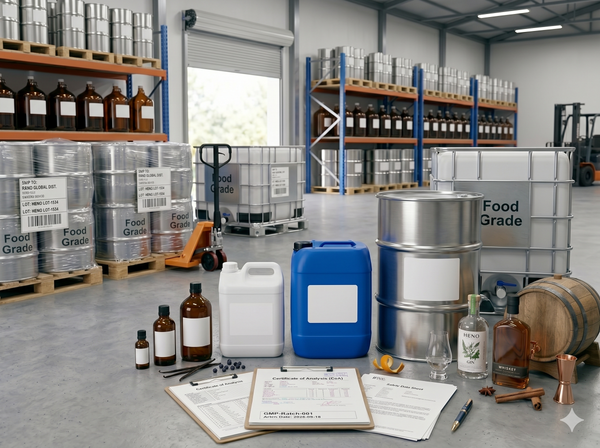
USDA organic certification does not test or certify the chemical purity, constituent profile, or adulteration status of the finished oil, and it makes no claim about safety or effect. Those are separate questions answered by separate documents: GC/MS analysis for constituent identity and purity, a Certificate of Analysis for physical specifications like specific gravity and refractive index, and a Safety Data Sheet for handling and hazard information. An oil can be fully organic-certified and still fail a purity specification if it has been diluted, adulterated, or degraded in storage, because organic certification and adulteration testing check entirely different things. It is also worth noting that the FDA, which governs cosmetic and drug labeling claims, does not itself define or enforce the word "organic"; that authority sits with USDA's National Organic Program, which is one reason the two claims (organic status and cosmetic labeling compliance) have to be managed as separate workstreams rather than assumed to travel together. Buyers occasionally treat the organic seal as implicit proof of a "pure" or "therapeutic grade" oil; neither term has a regulatory definition, and organic status does not establish either one.
Where Buyers Most Often Misread USDA Organic Certification
The most common misreading is assuming a company-wide organic certification, or one organic product in a supplier's catalog, extends to every other product that supplier sells. It does not; certification is issued per certified product, and a supplier can be legitimately organic-certified for one botanical while selling a dozen conventional oils alongside it with no certification overlap between them. A second common error is comparing an organic-certified single ingredient oil to a "made with organic ingredients" finished product as though the two claims mean the same thing; they sit at different NOP thresholds (organic requires at least 95 percent organic content, made with organic requires 70 to 94 percent) and only the higher tier may carry the actual seal. A third is assuming imported organic oils and domestically produced organic oils are certified to different standards; NOP applies the same requirements regardless of country of origin, though the certifying body inspecting a foreign farm may differ from the one inspecting a domestic one.
How HBNO Separates the Organic Claim From the Purity Claim
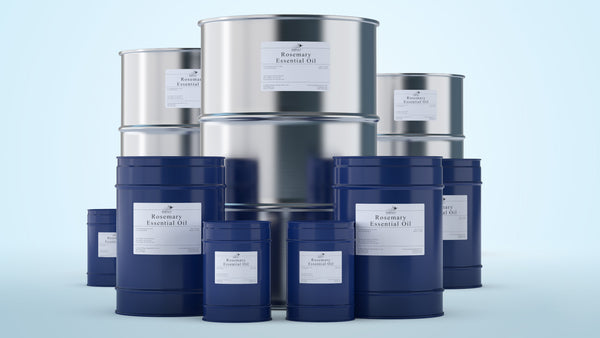
HBNO treats USDA organic certification and analytical purity testing as two separate, non-substitutable steps, and both accompany every organic-certified shipment. Organic Tea Tree Essential Oil, Organic Rosemary Essential Oil, and Organic Lemon Essential Oil each carry current USDA Organic certification through OneCert, alongside independent in-house GC/MS testing, a batch-specific CoA, and an SDS, so a buyer receives the organic paperwork and the purity data as two distinct documents rather than one standing in for the other. HBNO holds ISO, GMP, FDA, Kosher, and FAIR FOR LIFE certification company-wide, runs PhD-supervised quality control from our Chico, California facility, and ships globally with no minimum order quantity. Buyers evaluating other credentials alongside organic status can start with our kosher certification basics for ingredient buyers, which covers the same product-level verification habit for a different certification entirely. For the mechanics of what NOP actually requires of a certified operation, see what the USDA organic seal actually means on essential oils, and for the paperwork a wholesale buyer should request before an organic purchase order ships, see our wholesale buyer's guide to USDA organic certification. Brands scaling a private label range who need to confirm certification status product by product, rather than assume it, will also find that discipline covered in our guide on scaling an aromatherapy brand without losing quality control.
Frequently Asked Questions
Is USDA organic certification the same as therapeutic grade?
No. "Therapeutic grade" is not a designation defined or issued by any regulatory body, USDA included. Organic certification addresses agricultural production methods, not therapeutic claims, and the two terms answer completely different questions.
Can USDA organic certification confirm that an essential oil is pure and free of adulteration?
No. Certification addresses how the raw material was farmed and handled. Purity and adulteration are established separately through GC/MS testing and a Certificate of Analysis, which a buyer should request in addition to, not instead of, the organic certificate.
Is a supplier's full catalog organic certified if only one of its products carries the USDA seal?
Not automatically. Certification is issued per specific certified product listed on the certifying body's documentation. A supplier can hold organic certification for one oil while selling other, uncertified oils with no organic claim attached.
What is the actual difference between organic and non organic essential oils on a label?
A USDA organic essential oil is certified at the "Organic" or "100 Percent Organic" tier, meaning at least 95 percent of its content traces to certified organic agriculture under an audited chain of custody. A non organic essential oil may be produced to an identical purity specification; it simply has not gone through the organic certification process, so it cannot carry the seal regardless of how it was actually farmed.
Is imported organic essential oil held to a lower certification standard than domestic oil?
No. The National Organic Program applies the same production and handling standards regardless of country of origin, though the specific USDA-accredited certifying body conducting inspections can differ between a foreign farm and a domestic one.
USDA organic certification on an essential oil is a real, auditable claim about agricultural production and handling, not a proxy for purity, safety, or performance, and the two most expensive mistakes buyers make are assuming one product's certification covers a supplier's whole catalog and assuming organic status substitutes for analytical testing. Ask for the certificate and the CoA as two separate documents, every time.
Published by the HBNO editorial team. HBNO (IL Health & Beauty Natural Oils Co., Inc.) is a manufacturer and bulk supplier of essential oils and carrier oils based in Chico, California.
For current organic certification and CoA documentation on any HBNO oil, contact our team directly.